
Why everyday gut health habits matter
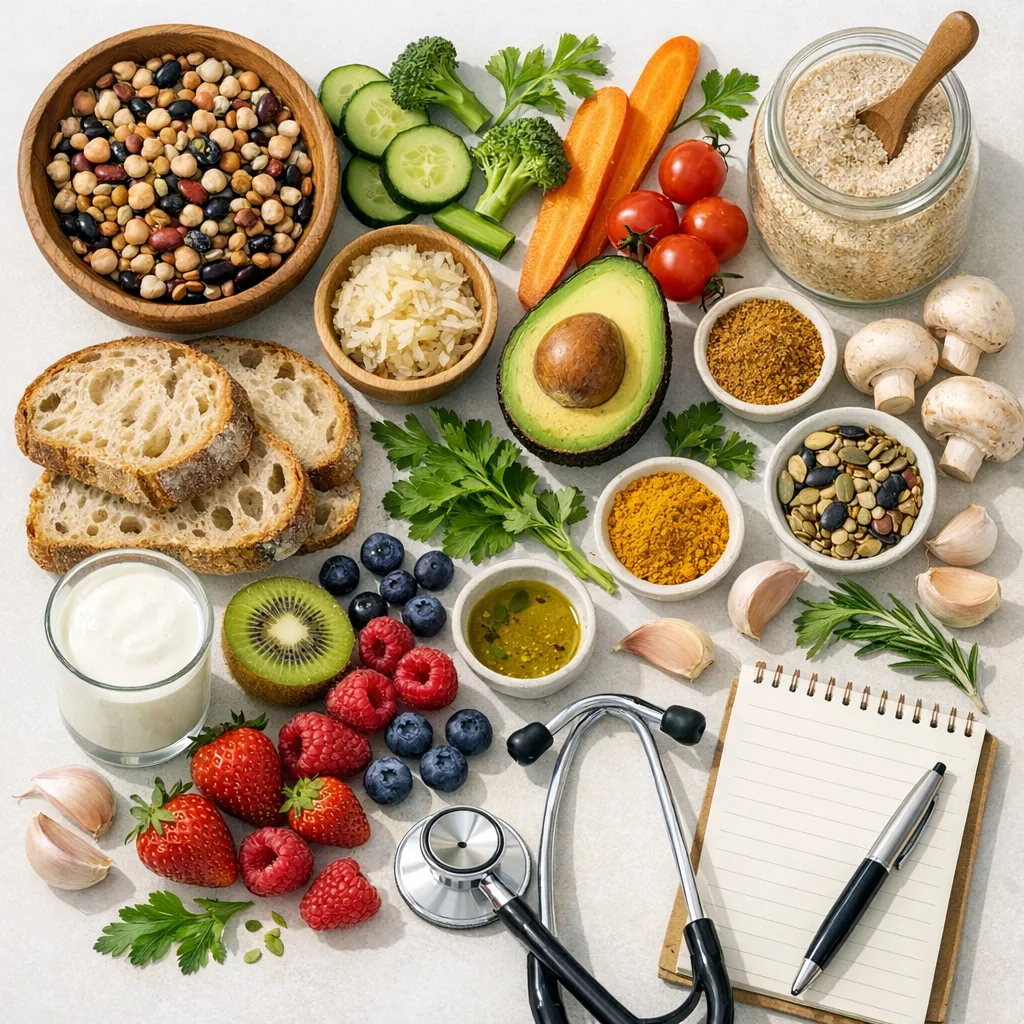
Gut health is closely linked to digestion, immunity, mood, energy and sleep. You do not need a complete lifestyle overhaul to support it — small, consistent nutrition habits can make a meaningful difference over time.
This article outlines ten evidence-informed nutrition tricks you can weave into busy days. Start with one or two changes, then build from there.
As Accredited Practising Dietitians at AusClin, we see how targeted tweaks to food patterns improve bowel regularity, comfort and overall wellbeing. This guide is not a replacement for individual medical advice. If you have coeliac disease, inflammatory bowel disease, pancreatitis, are immunosuppressed or take regular medications, check significant changes with your GP or dietitian first.
1. Add psyllium husk for gentle fibre and regularity
Psyllium husk is a soluble fibre that forms a gel with fluid. In the gut, this softens and bulks stools, helping them move more comfortably. It also provides fermentable material for gut bacteria, which produce short-chain fatty acids that nourish colon cells and support a favourable microbial environment.
Start with 1 teaspoon mixed into water, yoghurt or a smoothie once daily, and gradually build up to around 1 tablespoon as tolerated. Always drink plenty of water. Many people find a morning dose easiest, but consistency matters more than timing.
If the texture is off-putting, stir psyllium into porridge, blended smoothies or overnight oats instead of plain water. People with bowel strictures or significant swallowing difficulties should discuss fibre supplements with their medical team before starting, as higher-bulk fibres are not suitable for everyone.
2. Choose authentic sourdough for easier digestion
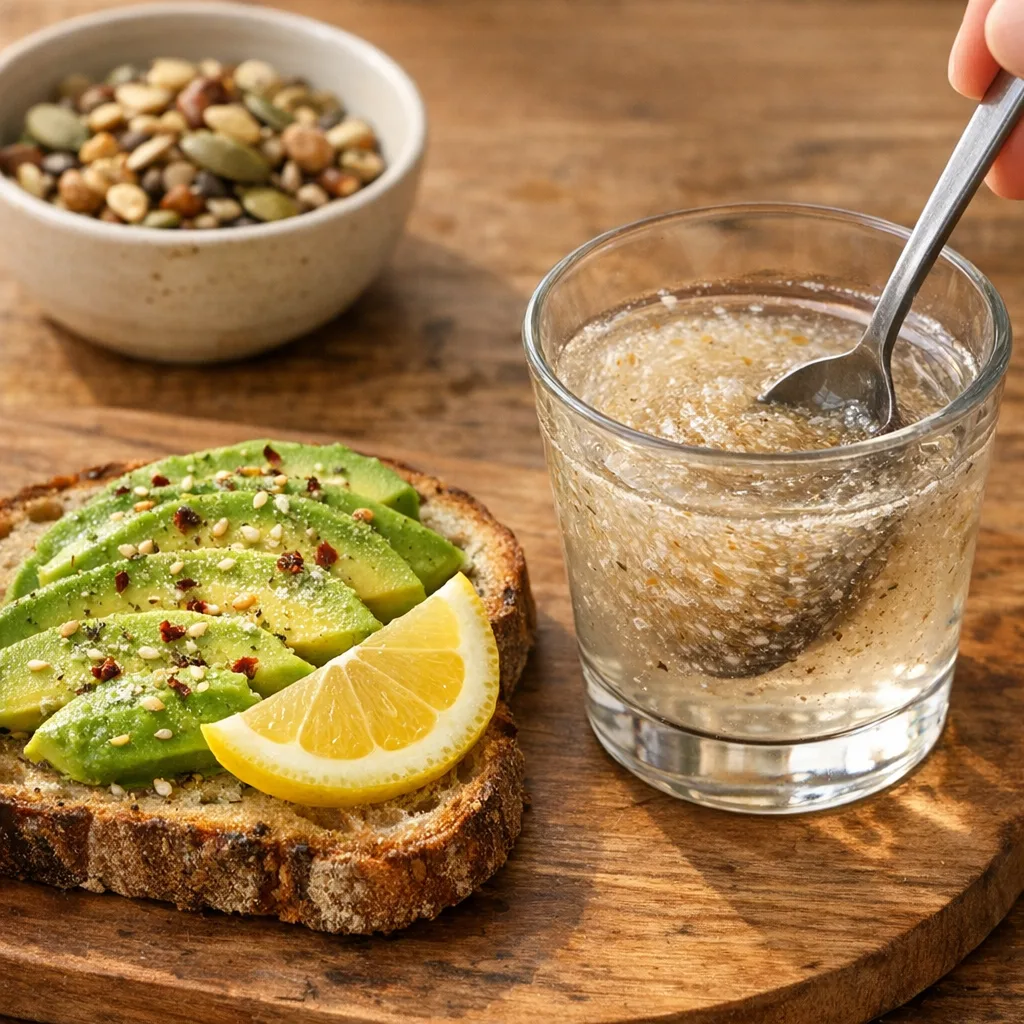
Traditional sourdough is made with flour, water, salt and a natural starter culture, then fermented slowly over many hours. During this fermentation, bacteria and yeasts break down some fermentable carbohydrates and gluten and produce organic acids that alter the dough’s structure. This can make sourdough gentler on the gut for some people who feel uncomfortable after standard supermarket bread.
Many commercial “sourdough” loaves are made quickly with baker’s yeast and added flavour, so they lack the same fermentation benefits. Look for short ingredient lists and references to long fermentation (for example, “24-hour” or “slow-fermented”). A tangy smell, chewy crumb and irregular holes hint at genuine fermentation.
For a gut-friendly breakfast, toast authentic sourdough and top with avocado, lemon, seeds and a poached egg. Sourdough made from wheat, rye or barley is not safe for people with coeliac disease, even with long fermentation — only certified gluten-free products are appropriate.
3. Make a gut-health shot with ginger, turmeric and pineapple
A homemade gut-health shot can deliver anti-inflammatory compounds, digestive support and fibre in a small glass. Ginger, turmeric, black pepper, pineapple and lemon together provide nutrients and plant chemicals with complementary actions.
Turmeric contains curcumin, which has anti-inflammatory properties but is poorly absorbed alone. Black pepper provides piperine, which enhances absorption. Ginger may support gastric comfort and motility. Pineapple supplies bromelain, an enzyme involved in protein breakdown, plus fibre and polyphenols that help feed the microbiome. Lemon adds vitamin C, acidity and fresh flavour.
Blend fresh turmeric root, peeled ginger, pineapple chunks and lemon (juice and pulp) with a splash of water until smooth. Pour into 60–90 mL portions and refrigerate for a couple of days. Do not strain the mixture; the pulp contains much of the fibre and plant compounds.
Turmeric stains chopping boards, fingers and benchtops, so consider gloves or lining your board. If you use blood-thinning medication or have gallbladder issues, check with your health professional before using large amounts of turmeric or ginger.
4. Sun-exposed mushrooms for extra vitamin D
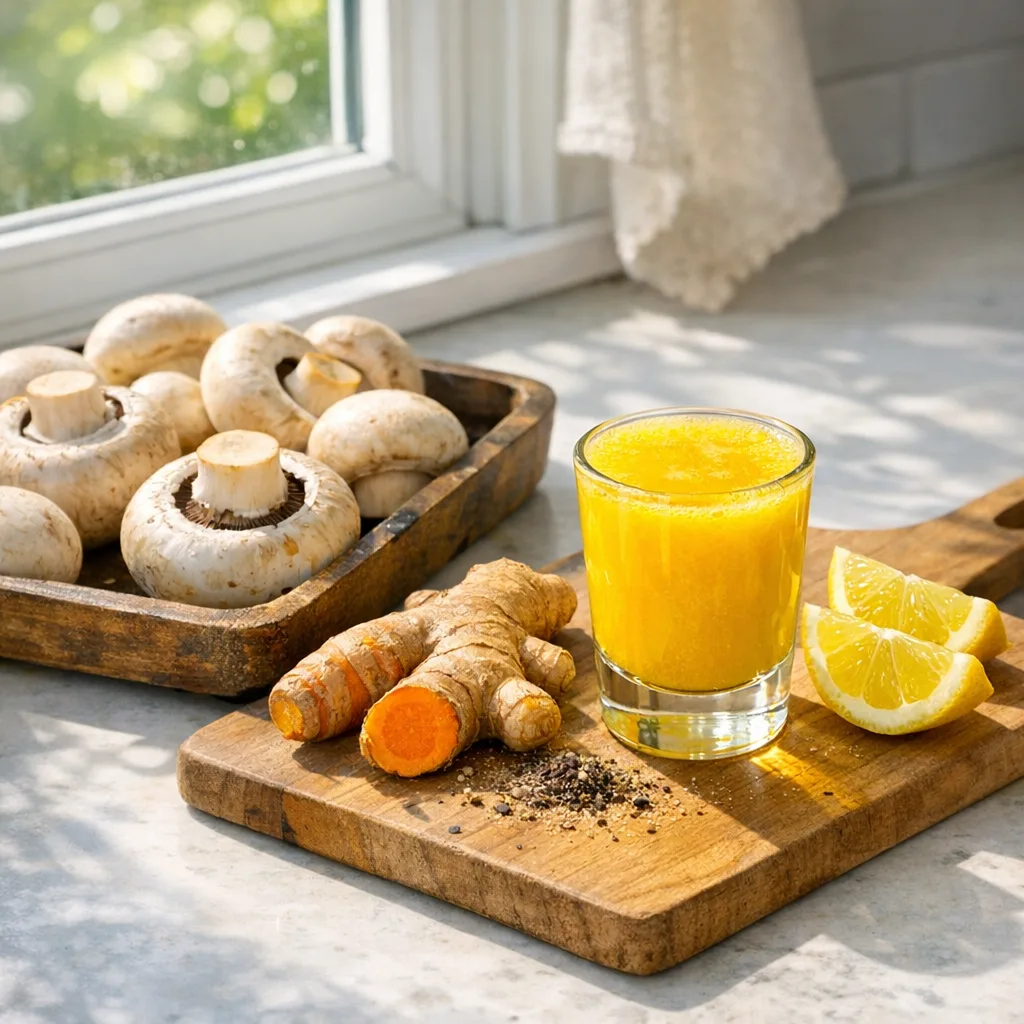
Mushrooms can produce vitamin D2 when exposed to UV light. Placing mushrooms gill-side up in direct sunlight converts ergosterol in their cell membranes into vitamin D2, boosting their nutritional value without changing taste.
This is useful during winter or for people with limited sun exposure. While sunlight on skin remains the major vitamin D source for many Australians, food sources can help top up intake, particularly when levels are low or sun exposure must be limited for skin cancer risk. Sun-exposed mushrooms usually will not replace prescribed vitamin D supplements but are a simple bonus strategy.
Place whole mushrooms (cap up) in direct sunlight for 20–60 minutes, then refrigerate and use within a couple of days, or freeze for later. Add them to omelettes, stir-fries, pasta sauces or salads. Avoid leaving them out long enough to become unsafe in hot weather; refrigerate promptly after their sun time.
5. Aim for 30 different plant foods a week
Increasing the variety of plant foods you eat is a powerful way to support a diverse gut microbiome. Researchers often suggest aiming for about 30 different plant-based foods per week. Once you include vegetables, fruits, whole grains, legumes, nuts, seeds, herbs and spices, this becomes achievable.
Different plant foods contain different fibres and polyphenols, and gut microbes specialise in breaking down particular structures. More variety on your plate creates more niches for a wide range of bacteria to thrive, supporting resilience and stability in your microbiome, which is linked with better gut and metabolic health.
Track this by keeping a simple weekly list on your fridge or phone and adding each new plant as you eat it. Chickpeas and lentils each count as one. Rolled oats, brown rice and quinoa are three more. Parsley, coriander and basil count separately. Mixed nuts can give you several plants in one handful.
Swap one vegetable each week, choose a different fruit for snacks, add a new herb to dinner, or set up a small “salad bar” with items such as lettuce, tomato, cucumber, capsicum, carrot, chickpeas, seeds and herbs. Our recipe finder can help you discover new plant foods to add to your week. Rotating these through the week helps the whole household reach the 30-plant goal.
6. Focus on addition, not restriction, for gut health
Many people approach gut health by cutting things out: gluten, dairy, FODMAPs or sugar. While short-term restriction can be appropriate in some clinical situations, long-term highly limited diets may reduce dietary diversity and starve beneficial microbes of the variety they need.
A more sustainable approach is to focus first on what you can add: extra fibre, more legumes, a handful of nuts, fermented foods and colourful fruit and vegetables. If you would like to see how your overall pattern compares with a Mediterranean style of eating, try our Mediterranean diet score. As your plate fills with these options, ultra-processed, lower-fibre foods are often naturally displaced.
This “addition-first” mindset is often less emotionally heavy. Instead of “I am not allowed that”, ask “What could I add that my gut would appreciate?”. Over time, these small positive choices accumulate into healthier patterns without rigid rules.
Some people do need to limit specific foods for medical reasons, such as coeliac disease or allergies. In those cases, working with an Accredited Practising Dietitian is crucial to maintain a varied, nutritious intake despite necessary restrictions.
7. Eat kiwi fruit before bed for sleep and digestion
Kiwifruit is rich in soluble and pectic fibres, which can soften stools and support regularity. Many people notice that including kiwi regularly reduces straining and improves stool consistency.
Small studies suggest eating kiwifruit about an hour before bed may improve sleep onset and quality in some adults. Kiwifruit contains antioxidants and compounds involved in serotonin production, which may influence sleep regulation.
Have one small kiwifruit 30–60 minutes before bed, on its own or sliced over a small serve of natural yoghurt. Keep the snack light so it does not cause reflux or discomfort when lying down. If you are prone to loose stools, start with half a kiwi and increase slowly based on your gut’s response.
8. Take a brief walk after meals to support digestion
A short, gentle walk after meals encourages the natural muscular activity of your gut, supporting motility and helping gas move more smoothly.
Research shows short post-meal walks improve postprandial blood glucose control. When blood sugar rises more gradually after eating, you are less likely to experience pronounced peaks and crashes that leave you sluggish or craving more food soon after.
Aim for a 5–10 minute walk after main meals. It does not need to be fast; a relaxed lap around the block, walking the dog, or a few indoor loops in poor weather all help. Over a week, those brief walks add up and can also provide a chance to decompress after the day.
9. Practise food safety to protect your gut
Food-borne infections can temporarily disrupt gut function, alter microbial balance and, for some, trigger ongoing symptoms that take weeks or months to settle. Protecting your gut means not only nourishing microbes but also avoiding harmful pathogens.
Good food safety habits include keeping raw and cooked foods separate, using different chopping boards for raw meat and ready-to-eat foods, refrigerating leftovers promptly and cooking proteins to safe internal temperatures. Refrigerate leftovers within 2 hours of cooking (or sooner in hot weather), reheat food until steaming hot all the way through, and avoid foods past their use-by date.
Defrost meat in the fridge rather than on the bench, and do not refreeze raw meats once thawed. Using a simple kitchen thermometer can remove guesswork when cooking chicken or mince-based dishes. These steps help maintain long-term gut stability, especially if your digestion is sensitive.
10. Include legumes, fatty fish and fermented foods regularly
Legumes, fatty fish and fermented foods repeatedly appear in research on gut and metabolic health. Each contributes distinct benefits, and together they form a strong foundation for a gut-supportive eating pattern.
Legumes such as lentils, chickpeas, black beans and kidney beans are rich in fibre and resistant starch. These carbohydrates reach the large intestine largely undigested, where beneficial bacteria ferment them into short-chain fatty acids that support the gut lining and help regulate inflammation and blood glucose. Including legumes 2–4 times per week is a realistic target. If they cause bloating, begin with small serves (for example, 2 tablespoons of well-rinsed canned lentils) and increase gradually as your gut adapts.
Fatty fish like salmon, sardines and mackerel provide omega-3 fats with anti-inflammatory effects throughout the body. While microbiome-specific effects are still being studied, dietary patterns high in omega-3s are associated with better cardiometabolic health and may support a more balanced microbial environment.
Fermented foods — kefir, live-culture yoghurt, kimchi, miso, tempeh and sauerkraut — contain live microbes and fermentation products that interact with your existing microbiome. Including small amounts daily or several times a week, if tolerated, can support microbial diversity and digestive comfort. Start with modest portions, such as yoghurt with fruit at breakfast or a spoonful of sauerkraut with dinner, and increase slowly.
Bonus: Use herbs and spices liberally for microbiome support
Herbs and spices add more than flavour. Many are rich in polyphenols — plant compounds that can act as prebiotics and support microbial diversity. Garlic, onion, oregano, rosemary, cinnamon, cloves, cumin, coriander and turmeric are just a few examples.
Seasoning food with a variety of herbs and spices effectively adds tiny amounts of many different plant chemicals. Over time, this variety can fuel particular bacteria, influence microbial signalling and contribute to anti-inflammatory pathways. It is an easy way to increase your “plant count” without adding large volumes of extra food.
Add cinnamon to porridge, oregano and thyme to roasted vegetables, turmeric and black pepper to lentil soup, or finish dishes with fresh parsley or coriander. Culinary amounts used in cooking are generally safe for most people, but concentrated herbal supplements or extracts can interact with medications, so discuss those with your GP or dietitian before use.
How to get started: practical ways to build these habits
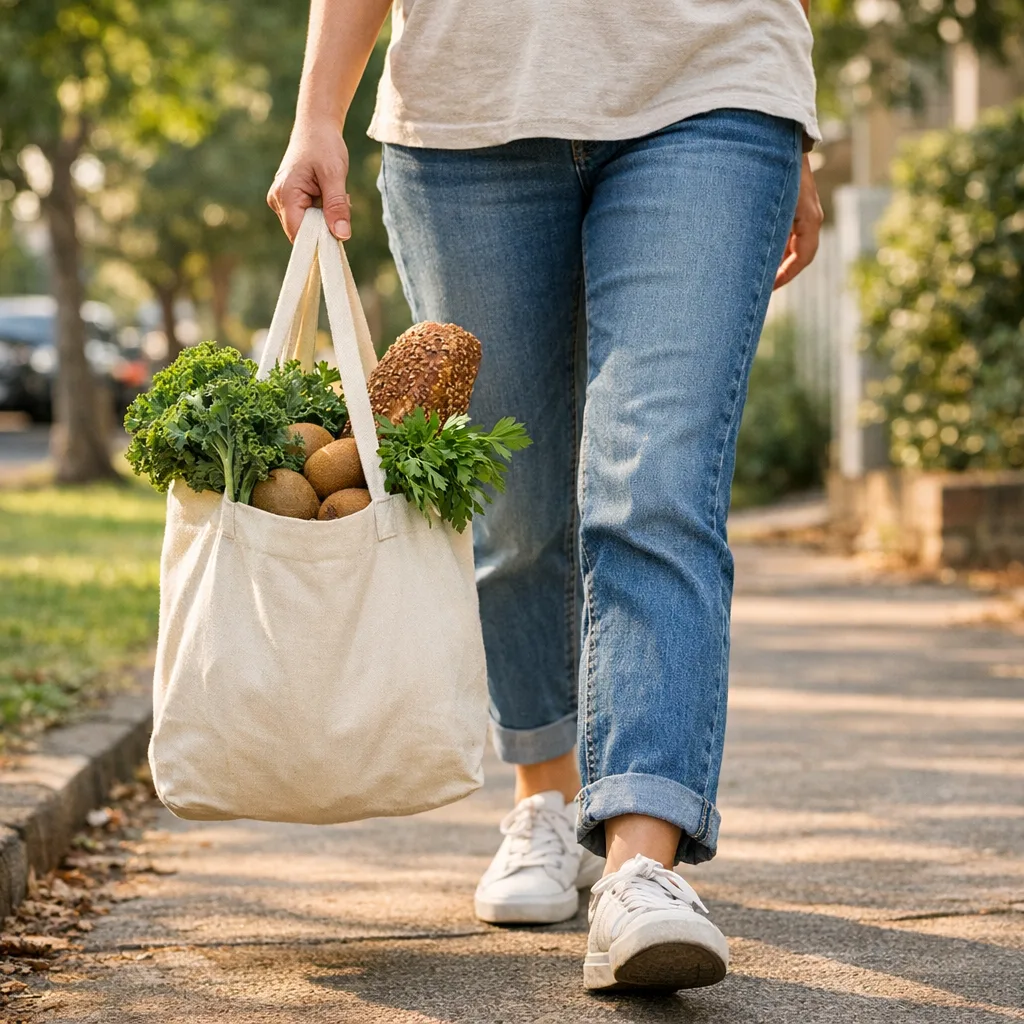
Most people do best by choosing one or two small changes, practising them until they feel automatic, then adding the next. This stepwise approach is easier to sustain than trying everything at once.
Scan the list and identify options that feel easiest in your current routine — perhaps a 5-minute post-dinner walk, sunning mushrooms while you prep dinner, or adding a teaspoon of psyllium to morning yoghurt. Choose changes that feel almost too easy; success builds momentum.
It helps to tie new behaviours to existing ones. For example:
- After I make my morning coffee, I will slice kiwi over yoghurt for breakfast.
- When I pack my lunch, I will add one extra plant food (nuts, seeds, or an extra veg).
- After dinner, I will set a 10-minute timer and walk until it rings.
Planning a basic weekly structure reduces decision fatigue. You might have legume meals on Mondays and Thursdays, fish on Wednesdays, and a weekend batch cook that includes a fermented food. Keeping canned beans, oats, frozen vegetables, herbs, spices and tinned fish on hand makes gut-friendly eating easier on busy days.
If you have irritable bowel syndrome, inflammatory bowel disease, coeliac disease, a history of pancreatitis or complex medication regimens, personalised guidance is especially important. A dietitian can help tailor these ideas to your symptoms, lab results and lifestyle, advise when targeted approaches (like a low FODMAP trial) are appropriate, and support re-expanding your diet to protect long-term microbial diversity.
Conclusion and next steps
Supporting gut health does not require extreme cleanses, restrictive diets or expensive powders. Everyday choices — a spoon of psyllium, a slice of authentic sourdough, a kiwi before bed, a short walk after meals and a few extra plants on your plate — can add up to a more comfortable, resilient digestive system over time.
Pick one or two ideas that feel realistic this week, notice how your body responds, and build from there. If you have medical conditions or take regular medications, check with your GP or an Accredited Practising Dietitian before introducing supplements or making large, rapid dietary shifts.
For personalised support applying these strategies to your own health concerns, consider a consultation with a dietitian at AusClin. Tailored advice can reduce trial and error and help you support both your gut and overall wellbeing in a safe, evidence-informed way.
Frequently Asked Questions
What are some simple everyday nutrition tips to improve gut health?
Simple daily habits that support gut health include adding soluble fibre like psyllium husk, eating more legumes, choosing authentic long-fermented sourdough, and aiming for 30 different plant foods a week. Including fermented foods, fatty fish, a brief walk after meals, and practising good food safety also help your microbiome, digestion and overall wellbeing.
How does psyllium husk help with gut health and how much should I take?
Psyllium husk is a soluble fibre that helps soften stools, improve bowel regularity and provide fermentable fibre for beneficial gut bacteria. A common starting point is 1 teaspoon in water or yoghurt once a day, building up slowly to around 1 tablespoon as tolerated while drinking plenty of water.
What is the difference between real sourdough and supermarket sourdough for gut health?
Traditional sourdough is made from flour, water, salt and a natural starter, and is fermented slowly over many hours, which can reduce fermentable carbohydrates and make it easier to digest for some people. Many supermarket “sourdough” breads are made quickly with added baker’s yeast and don’t offer the same fermentation benefits, so look for artisan or long-fermented loaves with simple ingredients.
How do I make a gut health shot with ginger and turmeric at home?
Blend fresh turmeric root, peeled ginger, pineapple chunks and lemon (including the pulp) with a splash of water, then pour into 60–90 mL serves and drink without straining so you keep the fibre. Adding a pinch of black pepper improves absorption of curcumin from turmeric, and you should protect benches and clothing as turmeric can stain.
Why should I put mushrooms in the sun and how long do they need?
Mushrooms make vitamin D2 when exposed to sunlight or UV light, which can help boost dietary vitamin D, especially in winter or if you get little sun exposure. Place whole mushrooms cap-side up in direct sunlight for about 20–60 minutes, then cook or refrigerate and use within a couple of days or freeze.
What does eating 30 different plant foods a week mean and how do I reach it?
The 30 plants a week goal means eating around 30 different plant foods over seven days, including vegetables, fruits, whole grains, legumes, nuts, seeds, herbs and spices. You can get there by rotating your veg and grains, adding mixed nuts or seeds, trying new fruits, and using a variety of herbs and spices in everyday meals.
Can eating kiwi fruit before bed really help with sleep and digestion?
Small studies suggest kiwifruit before bed may improve how quickly you fall asleep and sleep quality, possibly because of its antioxidants and serotonin-related compounds. It’s also rich in fibre, which can support bowel regularity, so having one kiwifruit 30–60 minutes before bed can be a gentle gut- and sleep-friendly snack for many people.
How often should I eat legumes, fatty fish and fermented foods for gut health?
Legumes like lentils, chickpeas and beans are best eaten about 2–4 times per week to provide fibre and resistant starch for beneficial gut bacteria. Aim for fatty fish such as salmon or sardines 1–2 times weekly for omega-3s, and include small, regular serves of fermented foods like kefir, live yoghurt, kimchi or sauerkraut if you tolerate them.
Do I have to cut out foods to improve my gut health, or can I just add better options?
You don’t usually need to follow highly restrictive diets to support your microbiome; focusing on adding more fibre-rich and diverse plant foods is often more helpful. Building in legumes, fruits, vegetables, whole grains and fermented foods tends to improve gut health better than cutting out long lists of foods, unless you have a diagnosed condition that requires restriction.
What does AusClin do and can they help with personalised gut health advice?
AusClin is a clinic with Accredited Practising Dietitians who provide evidence-based nutrition care, including support for gut health concerns like IBS, constipation, food intolerances and general digestive wellbeing. They can review your medical history, assess your current diet and tailor these everyday gut health tips into a personalised, safe plan that fits your lifestyle and conditions.
When should I see a dietitian instead of just trying gut health tips from the internet?
You should see a dietitian if you have ongoing gut symptoms (like pain, bloating, diarrhoea or constipation), a diagnosed condition (such as coeliac disease, IBD or pancreatitis), or take regular medications. AusClin’s dietitians can help you avoid unnecessary restrictions, choose the right fibre and foods for your situation, and coordinate care with your GP or specialist.
Can short walks after meals really help digestion and bloating?
A gentle 5–10 minute walk after eating can improve post-meal blood sugar responses and help move gas and food through the gut, which may reduce bloating for some people. It doesn’t need to be intense exercise — a relaxed stroll around the block or with family after dinner is enough to be beneficial.