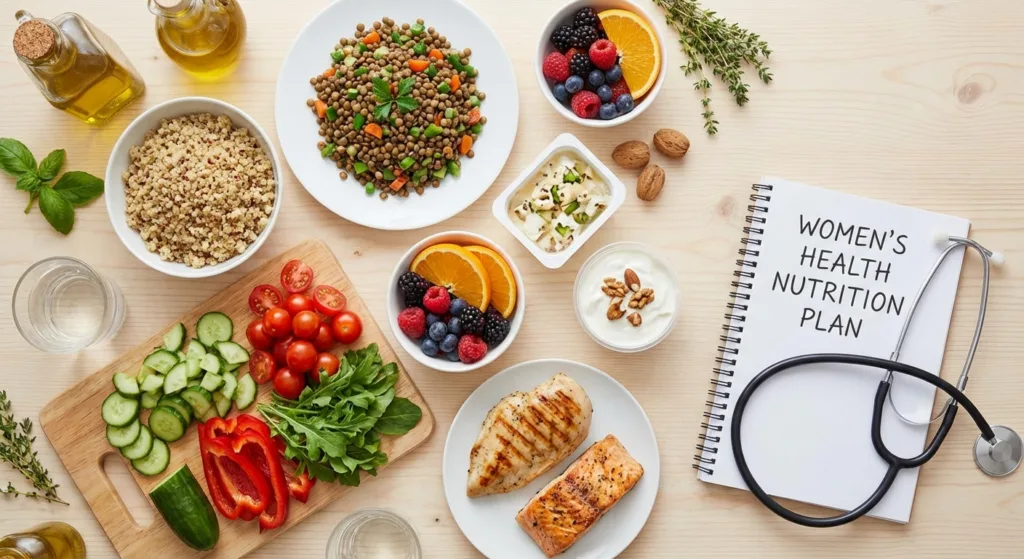
The Role of Dietitians in Women’s Health
Diet plays a major role in every stage of a woman’s life. From the first period to post‑menopause, food choices affect hormones, mood, energy, fertility, and long‑term disease risk. Yet many women are left guessing, piecing together tips from social media or friends. This is where a women’s health dietitian comes in.
Accredited Practising Dietitians (APDs) who focus on women’s health provide medical nutrition therapy, not fad diets. They translate complex science into clear, practical steps that fit real life. In this article, we’ll explore when to see a dietitian, what they actually do, and how dietetics can support women through key life stages such as adolescence, pregnancy, and menopause. We’ll also explain how our women’s health dietetic services can support you or someone you care about.
How Women’s Health Dietitians Support Different Life Stages
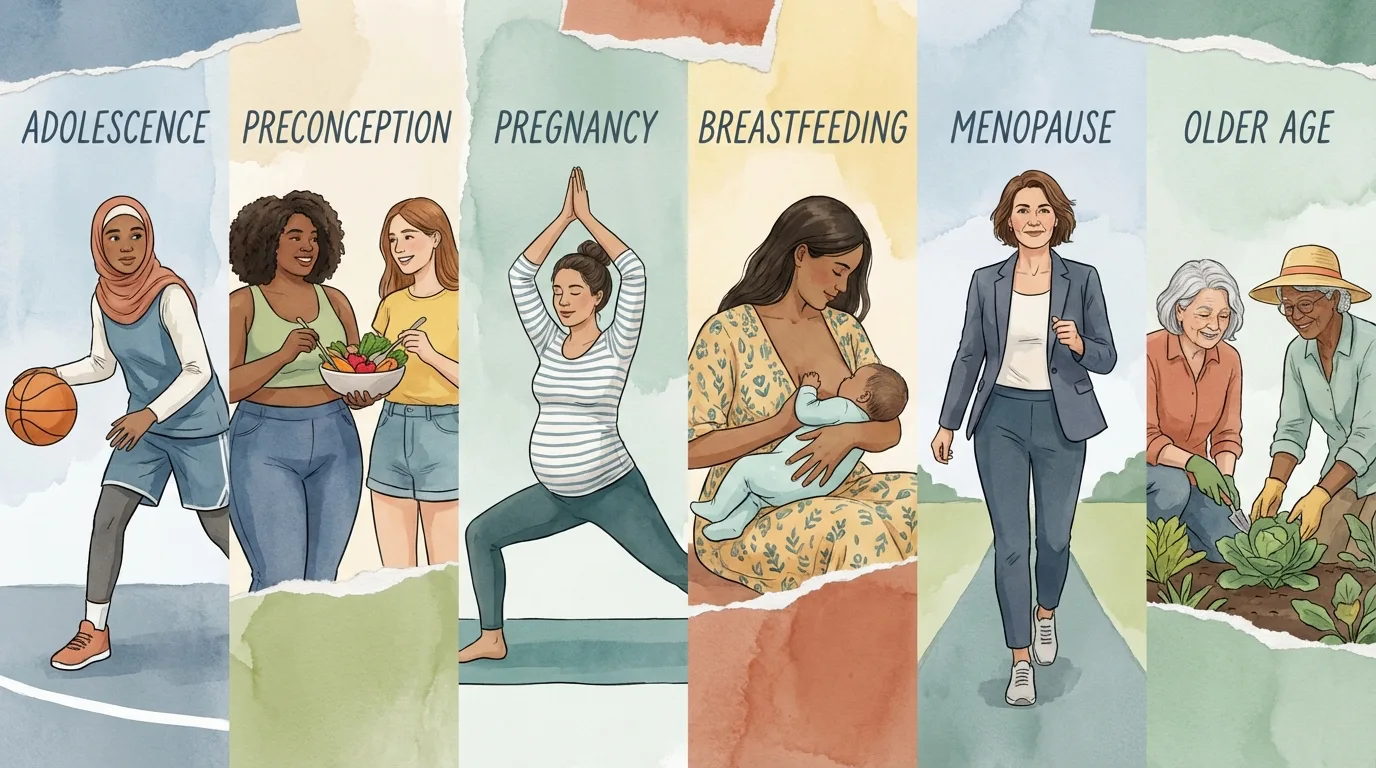
Women’s bodies change across life, and nutrition needs change with them. A women’s health dietitian understands these shifts and can guide women through each phase with targeted medical nutrition therapy, much like the support provided by focused women’s health nutrition and dietetic services. Their work is not just about weight or appearance; it’s about health, hormones, and long‑term wellbeing.
During adolescence, dietitians support growth, menstrual health, and body image. Teen girls may be at risk of skipping meals, cutting out food groups, or peer pressure when it comes to extreme diets they see online. This can affect their periods, bone health, and mood. An APD can help them meet energy and nutrient needs for iron, calcium, and energy, while also building a healthy relationship with food.
Preconception and fertility are another key time to seek support. Dietitians help women optimise their nutritional status before pregnancy, focusing on folate‑rich foods, iodine, iron, and overall diet quality. They can also address conditions like PCOS, which can affect ovulation. While doctors focus on tests and treatments, dietitians work on the daily food pattern that can support fertility.
Pregnancy and breastfeeding bring rapid changes in nutrient needs. A women’s health dietitian provides clear advice on what to eat for maternal and foetal health, how to manage symptoms like nausea or constipation, and how to get enough energy and nutrients while breastfeeding. This guidance is especially helpful for women with morning sickness, food aversions, gestational diabetes, or vegetarian and vegan diets.
Later in life, perimenopause, menopause and post‑menopause bring new challenges: hot flushes, sleep changes, shifts in body fat, and bone loss. A dietitian can help manage these symptoms with a balanced eating pattern, adequate calcium and vitamin D, and protein to protect muscle and bone. They also support heart health, as cholesterol and blood pressure can rise after menopause. This is medical nutrition therapy aimed at reducing long‑term risks, not just “eating clean”.
Female athletes have their own unique needs. Under‑fuelling can lead to missed periods, stress fractures, and low energy. A women’s health dietitian can tailor eating plans to support training, recovery, and injury prevention, making sure energy intake matches output.
Across all these stages, our women’s health dietitian services provide tailored support for real‑world challenges, from busy schedules to cultural food preferences. You can also explore our free nutrition and health tools to check in on your own nutrition between appointments. Every plan is individual, evidence‑based, and grounded in medical nutrition therapy principles, reflecting how clinical dietitians are trained to work within healthcare teams.
Conditions Managed by Women’s Health Dietitians

Women’s health dietitians don’t just advise on “healthy eating”. They manage a wide range of clinical conditions with targeted nutrition plans. This structured approach is called medical nutrition therapy and is an important part of modern healthcare for women, consistent with how dietitians are recognised as key providers of evidence‑based nutrition care.
Menstrual irregularities are a common reason to seek support. Conditions like hypothalamic amenorrhoea (where periods stop due to low energy intake or high stress), PCOS (polycystic ovary syndrome), and endometriosis can all be affected by diet. An APD can help adjust energy intake, carbohydrate quality, and overall diet pattern to support hormone balance, manage symptoms like pain or fatigue, and address related concerns such as insulin resistance or weight changes.
Chronic conditions are another major focus. Women often develop pre‑diabetes, type 2 diabetes, high cholesterol, or high blood pressure in midlife. A women’s health dietitian can design a practical eating plan that improves blood sugar control, lowers LDL cholesterol, and supports a healthy weight range without rigid rules. This may include more high‑fibre foods, heart‑healthy fats, and realistic swaps that fit family meals.
Bone health is critical, especially for women with osteoporosis risk factors or after menopause. Adequate calcium, vitamin D, protein, and other nutrients are vital to maintain bone density. Dietitians can help women reach these targets with food‑first strategies, and can discuss when supplements may be worth raising with their GP or specialist.
Thyroid disorders and hormonal imbalances can also change metabolism, energy levels, and appetite. A dietitian can help manage symptoms like fatigue and weight changes by adjusting meal timing, nutrient balance, and overall eating pattern. This is always done in partnership with the woman’s medical team, not instead of medical care.
For women recovering from pregnancy, surgery, or illness, nutrition plays a role in healing and regaining strength. Women’s health dietitians provide plans that support tissue repair, immune function, and gradual return to activity. Our nutrition consultations focus on practical, step‑by‑step changes that fit each woman’s situation, rather than a one‑size‑fits‑all program.
What to Expect from a Women’s Health Dietitian Consultation
Many women feel nervous before seeing a dietitian. They worry about being judged, weighed, or told to give up their favourite foods. In reality, a women’s health dietitian aims to create a safe, supportive space where you can talk honestly about your health, habits, and goals.
A first consultation usually starts with a detailed history. The dietitian will ask about your medical conditions, medications, menstrual cycle, pregnancies, sleep, stress, and physical activity. They’ll also explore your current eating pattern, food likes and dislikes, cultural background, and daily routine. This helps them understand not just what you eat, but why and how.
Next, they’ll assess your nutritional status. This may include looking at your usual intake of key nutrients, recent blood test results from your GP or specialist, and any symptoms like fatigue, hair loss, digestive issues, or changes in periods. Based on this assessment, they’ll explain how nutrition may be affecting your symptoms and overall health, in plain language.
The core of the session is a tailored nutrition plan. Rather than handing you a generic meal plan, a women’s health dietitian will work with you to set realistic goals. These might include small changes like adding a protein source to breakfast, increasing vegetables at dinner, or planning snacks to manage afternoon energy dips. For more complex issues, they might design a structured meal plan for blood sugar control, symptom relief, or performance.
Education is a central part of medical nutrition therapy. Your dietitian will explain the “why” behind each recommendation, so you can make informed choices in different situations. You might discuss label reading, eating out, budgeting, or how to handle social events without feeling deprived.
Follow‑up sessions allow for adjustments based on what worked and what felt too hard. Nutrition care is an ongoing partnership, not a one‑off lecture. At AusClin, our online dietitian services mean you can access women’s health support from anywhere in Australia, with flexible appointment times that fit around work, family, and life.
Conclusion: Putting Women’s Health First with Dietetic Support
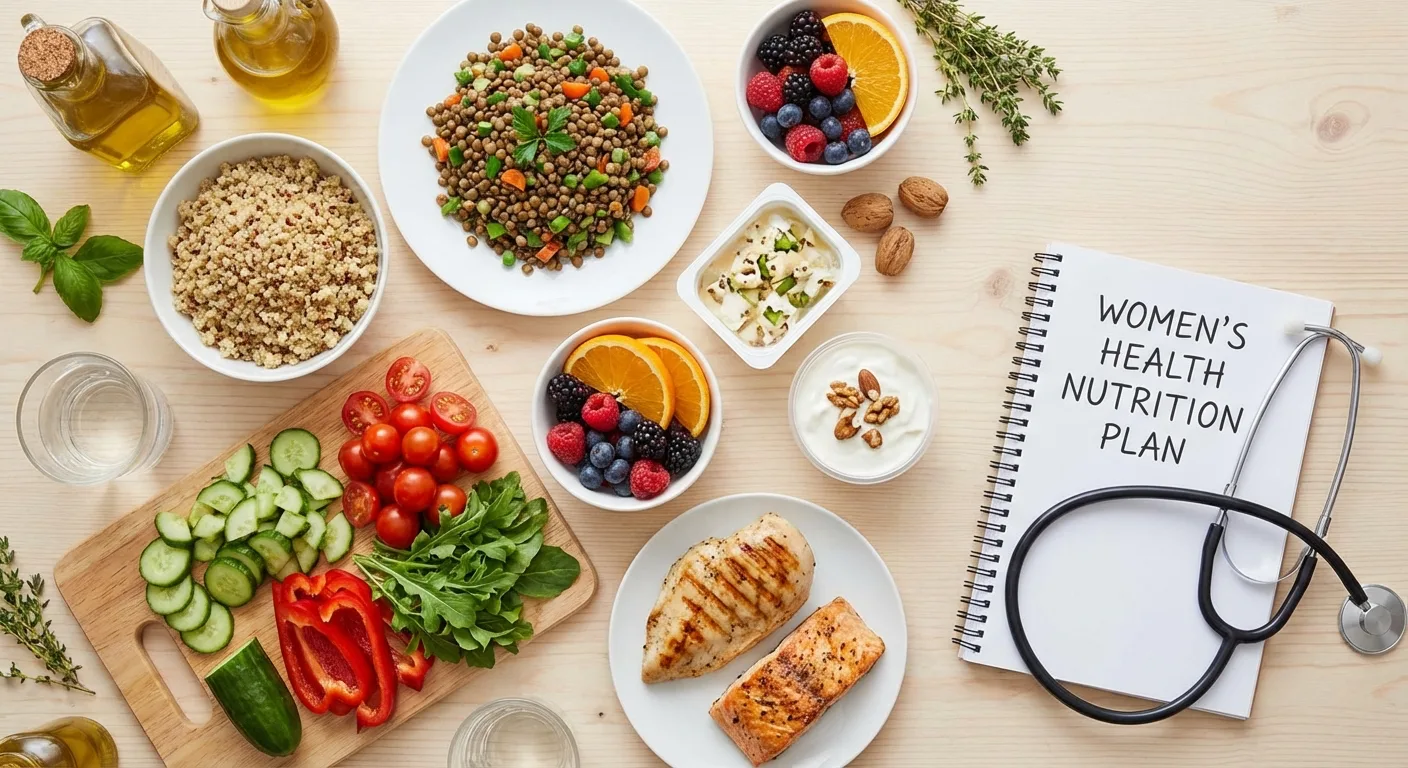
Dietetics plays a powerful role in women’s health, from the first period to post‑menopause. Women’s health dietitians provide medical nutrition therapy that supports hormones, fertility, pregnancy, chronic disease management, bone health, and everyday energy. Their work is personalised, evidence‑based, and focused on real‑world outcomes, not quick fixes, in line with how professional dietitians and nutritionists are described in workforce data.
If you recognise yourself in any of the stages or conditions described here, you don’t have to navigate it alone. If you are weighing it up, our Should I see a dietitian? quiz offers a quick starting point. A skilled dietitian can turn confusing nutrition advice into a clear, practical plan tailored to your life. To learn how AusClin can support your health, explore our dietetic services or book an appointment with our women’s health team today.
Frequently Asked Questions
What does a women’s health dietitian actually do?
A women’s health dietitian (usually an Accredited Practising Dietitian in Australia) provides medical nutrition therapy tailored to each life stage, rather than generic meal plans or fad diets. They assess your current diet, medical history, hormones, and lifestyle, then create a practical eating plan to support issues like menstrual health, fertility, pregnancy, menopause, and long‑term disease risk.
When should I see a dietitian for women’s health issues?
You can see a women’s health dietitian at any time, but key points include: irregular or painful periods, concerns about fertility, planning a pregnancy, pregnancy or breastfeeding, perimenopause or menopause, or if you have PCOS, endometriosis, or iron deficiency. It’s also worth booking in if you’re constantly tired, confused by conflicting nutrition advice, or stuck in a cycle of restrictive dieting.
How can a dietitian help with PCOS and fertility?
A women’s health dietitian can help manage PCOS by focusing on blood sugar balance, anti‑inflammatory foods, and realistic weight and lifestyle strategies if appropriate. They also ensure you’re getting enough key nutrients for fertility such as folate, iodine, iron, and omega‑3s, and support you to build a sustainable eating pattern that can improve ovulation and overall reproductive health.
What can a dietitian do for me during pregnancy and breastfeeding?
During pregnancy, a dietitian helps you understand exactly what and how much to eat for you and your baby, and how to manage nausea, constipation, reflux, or gestational diabetes with food. In breastfeeding, they support you to meet your increased energy and nutrient needs, work around food aversions or cultural preferences, and help you eat well even when you’re exhausted and time‑poor.
Can a dietitian help with perimenopause and menopause symptoms?
Yes, a women’s health dietitian can support you through perimenopause and menopause by focusing on bone health, muscle maintenance, heart health, and symptom management. This usually involves tailoring your intake of calcium, vitamin D, protein, fibre, and healthy fats, and building an eating pattern that can help with hot flushes, sleep, and mid‑life weight changes.
How is an Accredited Practising Dietitian different from a nutritionist in Australia?
In Australia, Accredited Practising Dietitians (APDs) are university‑trained, regulated health professionals who can provide medical nutrition therapy for conditions like PCOS, gestational diabetes, and high cholesterol. The term ‘nutritionist’ is not regulated, so training and expertise can vary; APDs are recognised by Medicare and many private health funds for rebates.
Can a dietitian help my teenage daughter who skips meals and follows online diets?
A women’s health dietitian can assess whether your teenager is meeting her energy, iron, and calcium needs for growth and menstrual health, and screen for disordered eating. They work with teens to build a balanced, non‑restrictive way of eating, improve body image, and prevent issues like period problems, low bone density, and mood changes linked to under‑eating.
How can dietetics support endometriosis and painful periods?
While diet can’t cure endometriosis, a women’s health dietitian can help reduce inflammation and manage symptoms such as bloating, bowel changes, and fatigue with targeted nutrition strategies. This might include adjusting fibre types, optimising iron intake, trialling evidence‑based anti‑inflammatory patterns, and ensuring you’re not becoming nutritionally depleted from heavy bleeding or restrictive eating.
What should I expect at my first women’s health dietitian appointment?
In your first session, the dietitian will ask about your medical history, periods, symptoms, medications, blood tests, lifestyle, and typical eating pattern. They’ll then explain the key nutrition priorities for your specific stage (e.g. preconception, pregnancy, menopause) and work with you to create 1–3 realistic, tailored changes rather than overhauling everything at once.
Does AusClin offer online appointments with a women’s health dietitian?
AusClin offers women’s health dietetic services that are often available both in‑clinic and via telehealth, depending on your location and needs. Online appointments allow you to access an Accredited Practising Dietitian for menstrual, fertility, pregnancy, and menopause support from home, while still receiving individualised, medically‑based nutrition advice.