Compassionate, evidence‑based care & support in Newcastle & Lake Macquarie
Menopause & Perimenopause
Because navigating perimenopause shouldn’t feel like a solo mission.
Let’s build a plan that works for your life.
Menopause & perimenopause
Practical dietary and lifestyle strategies to reduce hot flushes, protect bone and muscle, and support sleep and mood during perimenopause and menopause.
Menopause marks the permanent end of menstrual cycles and is driven by a decline in estrogen; the transition (perimenopause) can last several years and commonly brings irregular bleeding, hot flushes, sleep disruption, mood changes and shifts in body composition. Our nutrition care targets symptom relief (dietary triggers for flushes, sleep hygiene, gut‑friendly eating) and long‑term health priorities such as bone density, heart health and preserving muscle mass through tailored protein and micronutrient strategies.
Based in Newcastle and Lake Macquarie, our Ausclin Dietitians ensure personalised care for your symptoms, lifestyle and changing health needs – in-clinic or via telehealth. We discuss the evidence and safety around phytoestrogens, soy and herbal products; provide nutrient checks (calcium, vitamin D, vitamin B12) and supplementation guidance where appropriate; screen for disordered eating or changes in your relationship with food; and support joyful, sustainable movement that fits your life.
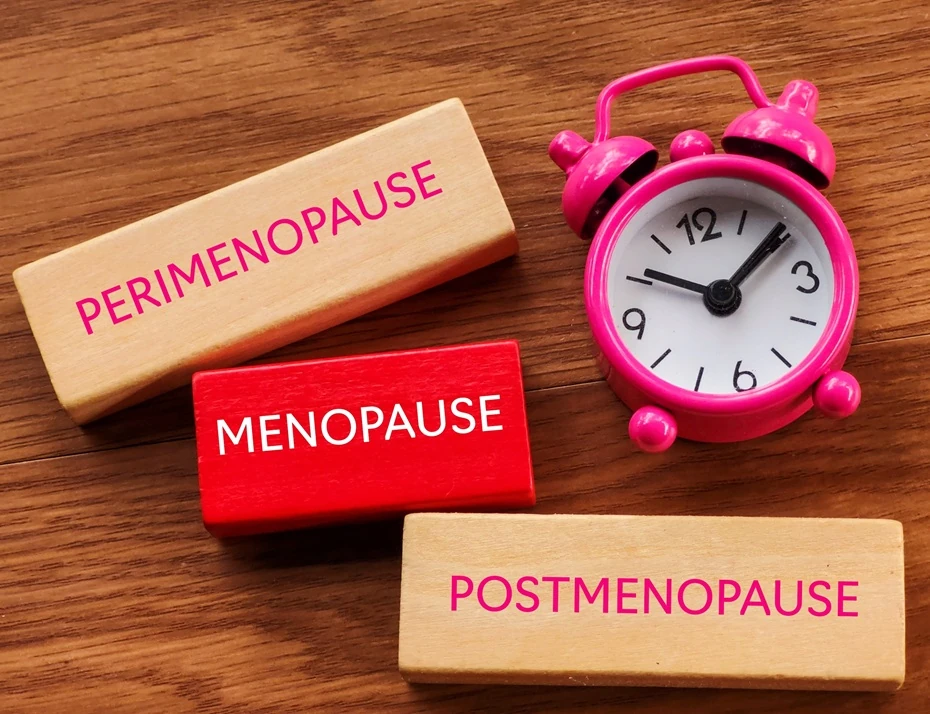
Common signs
Women in their 40s often experience a range of symptoms as they approach perimenopause or menopause. Recognising these common signs early can help you better manage your health and wellbeing during this transition. Below are some of the most frequently reported changes and symptoms to be aware of at this stage of life.
How we can help
Ausclin Dietitians offer comprehensive support tailored to women navigating midlife changes. Our approach includes practical dietary strategies, personalised nutrition and movement plans, screening for disordered eating, and expert supplement guidance. We provide evidence-based advice on phytoestrogens, soy, and herbal products, plus coaching to help you find enjoyable movement and improve sleep – all designed to protect your long-term health and wellbeing.
Get in touch
Unsure what’s normal or what next steps look like? Reach out for clear, evidence‑based guidance tailored to you.
We are Here to Help
Frequently Asked Questions
Below are common questions people ask about Medical Nutrition Therapy (MNT), how our Accredited Practising Dietitians (APDs) work, and how to access care – including Medicare Chronic Disease Management (CDM) referrals. If you don’t see your question listed, contact us and we’ll help.
How does nutrition help with menopause brain fog?
We focus on blood sugar stability, omega-3 fatty acids, and hydration, which can help support cognitive function and mental clarity during hormonal shifts.
Can diet help reduce the frequency of night sweats?
Yes. We help you identify specific dietary triggers (such as alcohol, caffeine, or spicy foods) and implement cooling nutrition strategies to improve your sleep quality.
Why am I gaining weight around my middle during perimenopause?
Declining estrogen levels can change how your body distributes fat. We provide strategies to support metabolic health and muscle maintenance to manage these changes effectively.
Is soy safe to eat for menopause symptoms?
For most women, yes. Whole-food soy contains phytoestrogens that may help reduce hot flushes. We provide evidence-based guidance tailored to your personal medical history.
How much calcium do I need after menopause?
Requirements increase to 1,300mg daily for women over 50. We help you reach this through food-first strategies and advise if supplementation is necessary.
Can nutrition help with menopause-related anxiety?
Certain nutrients support neurotransmitter production. We look at your overall intake of magnesium, B vitamins, and protein to help stabilise mood and energy levels.
Do you recommend the “Menopause Diet” or similar programs?
We avoid “one-size-fits-all” fad diets. Instead, we provide Medical Nutrition Therapy (MNT) tailored to your unique biochemistry, symptoms, and lifestyle.
Should I see a dietitian if I am already on HRT?
Yes. Nutrition care works alongside Hormone Replacement Therapy (HRT) to further protect your heart and bone health and manage symptoms that HRT may not fully address.