
Table of Contents
- Introduction: Why Alpha-gal Syndrome Awareness Matters
- Understanding Alpha-gal Syndrome and Tick-Related Allergy
- How Paralysis Ticks Trigger Alpha-gal Syndrome
- Recognising Symptoms and Getting Help
- Conclusion: Staying Informed and Prepared
Introduction: Why Alpha-gal Syndrome Awareness Matters
Alpha-gal syndrome is a tick-related food allergy that many Australians have never heard of. Yet it can suddenly change how a person eats, lives, and plans medical care. This article explains how a paralysis tick bite can lead to a complex condition linked to mammalian meat, now better recognised in medical literature as alpha-gal syndrome.
Our goal is simple: raise clear, evidence-based awareness so families, carers, and health professionals know what to look for and what to do next, and to highlight where allergy and nutrition support services may help. We will explain what alpha-gal syndrome is, how paralysis ticks are involved, common symptoms, and practical first steps if you suspect this allergy. This article is information only, not personal medical advice, and does not replace assessment by a qualified clinician such as those described on the Ausclin about page.
Understanding Alpha-gal Syndrome and Tick-Related Allergy
Alpha-gal syndrome (AGS), sometimes called mammalian meat allergy, is an unusual type of food allergy. Instead of reacting to a protein, the immune system targets a sugar molecule called galactose-α-1,3-galactose, or alpha-gal. This sugar is found in most mammals, such as cows, pigs, sheep, and kangaroos, but not in humans or other primates, a pattern that has been confirmed in clinical and scientific descriptions from organisations such as Australia’s CSIRO, and the U.S. Centers for Disease Control and Prevention (CDC). (CDC).
People with AGS can react to red meats like beef, lamb, and pork. Some also react to products made from these animals, including gelatin, animal fats, and certain food additives. In some cases, dairy foods like milk or cheese also trigger symptoms. The exact pattern varies from person to person, which is one reason this condition can be so confusing, and why many people benefit from tailored dietary guidance similar to the focused nutrition services used for other complex conditions.
Unlike classic food allergies that usually cause symptoms within minutes, AGS reactions are delayed. They most often appear several hours after eating a trigger food, typically between 2 and 6 hours in alpha-gal syndrome, although the exact timing can vary between individuals. However, some experts argue that the timing of alpha-gal syndrome reactions may be more variable than this delayed pattern suggests. While the bulk of the literature supports a 2–6 hour window, there are published reports of symptoms beginning sooner, including within 2 hours of ingestion, and one study found that approximately 11% of patients experienced onset within the first hour. These cases appear to be exceptions rather than the rule, but they remind clinicians and patients that a very rapid onset does not completely exclude AGS. In practice, this means that when the clinical picture strongly suggests alpha-gal, it is still important to consider a diagnosis even if symptoms occasionally occur earlier than the classic 2–6 hour window. This delay means many people do not connect their symptoms with what they ate earlier in the day or evening. It can lead to months, or even years, of misdiagnosis, something echoed in case series and reviews such as those discussed by Cleveland Clinic.
From an immunologic standpoint, AGS is an IgE-mediated allergy to the carbohydrate galactose-α-1,3-galactose (alpha-gal). IgE antibodies are the type involved in many allergic conditions, including hay fever and some food allergies. In AGS, these IgE antibodies attach to cells like mast cells and basophils. When the person later eats alpha-gal–containing foods, the allergen binds to those IgE antibodies, and the cells release histamine and other chemicals. That release causes the typical allergy symptoms, which can range from mild to life-threatening, and is consistent with descriptions in Mayo Clinic’s overview of alpha-gal syndrome.
How Paralysis Ticks Trigger Alpha-gal Syndrome

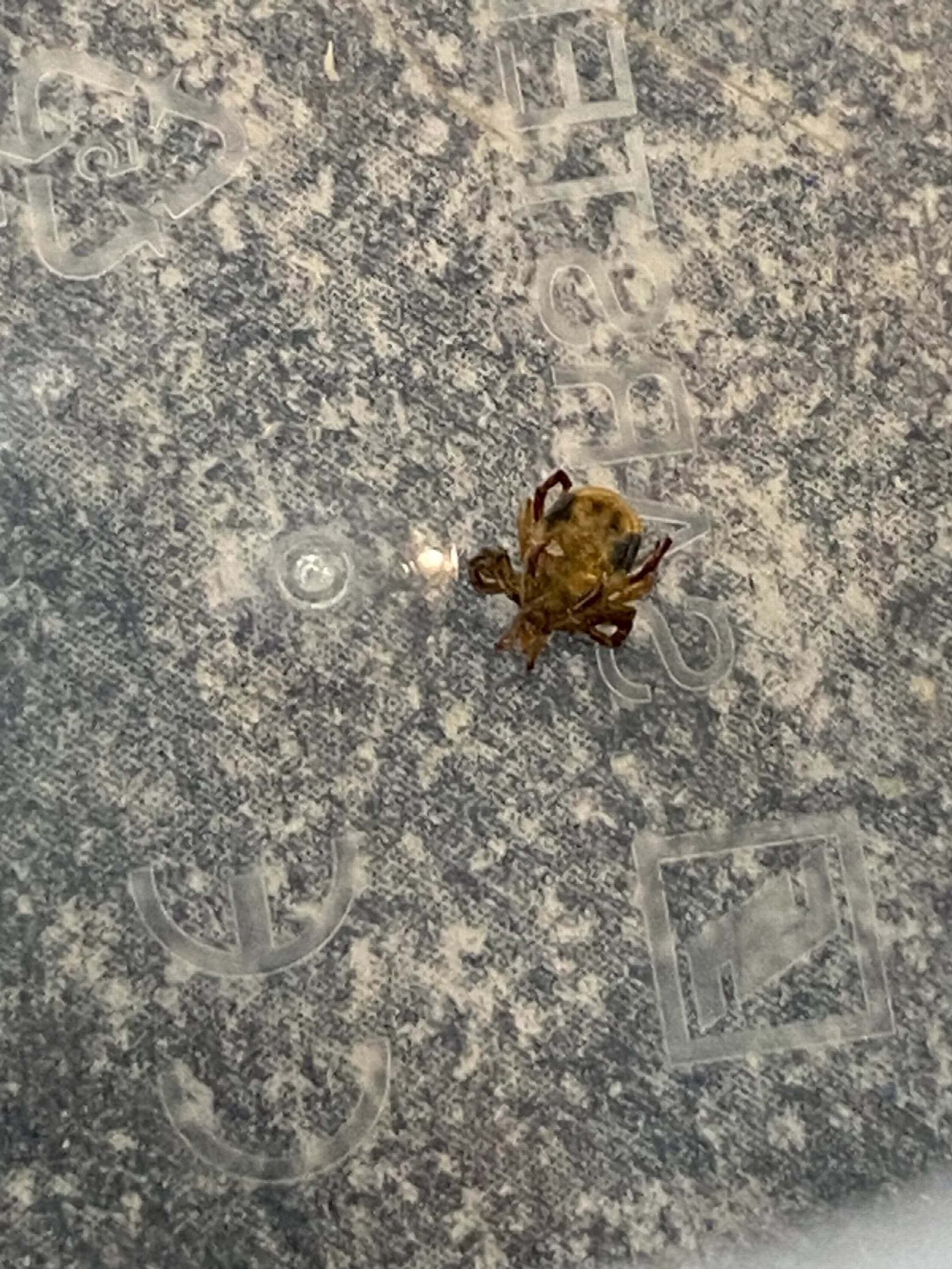
The key identified trigger for alpha-gal syndrome is a tick bite, particularly from the Australian paralysis tick. Ticks feed on the blood of mammals and take up the alpha-gal (galactose-α-1,3-galactose) present in their hosts’ tissues into their own digestive system. When a tick later bites a human, it injects saliva that contains alpha-gal into the skin and bloodstream, along with other salivary components. This exposure can “sensitise” the immune system, which then begins to produce IgE antibodies against alpha-gal, a process that has been described in detail in immunology research such as the review “Mammalian meat allergy emerges after tick bite: the alpha-gal syndrome” available via PubMed Central.
Once a person is sensitised, further tick bites can substantially increase alpha-gal antibody levels, which may worsen the allergy or even reactivate it after a period of remission. This is why tick avoidance becomes an important part of managing AGS. Simple steps like wearing long sleeves and trousers in bush areas, using tick repellents, and checking the skin after outdoor play can help lower risk. Pet care also matters, as cats and dogs can carry ticks into homes and yards.
One important point: not everyone who gets bitten by a tick will develop alpha-gal syndrome. Many people never do. There are likely genetic and immune factors that influence who becomes sensitised. However, because we cannot yet predict who is vulnerable, awareness and prevention are still vital for everyone in tick-prone regions, and families may find it helpful to read introductory resources like Ausclin’s educational blog posts alongside medical advice.
However, some experts argue that while genetic and immune differences are very plausible contributors, we should be cautious about overstating their role until stronger, human-focused evidence is available. At this stage, most of what we know about alpha-gal sensitisation comes from observational patterns and animal studies rather than clear-cut genetic markers or well-defined immune profiles. From this perspective, environmental exposure, tick density, local ecology, and even patterns of outdoor activity may be just as important—if not more so—than inherited factors in determining who becomes sensitised. For individuals and families, this means that regardless of your perceived genetic “risk,” the practical message does not change: consistent tick-avoidance strategies, early tick removal, and prompt medical review of any suspicious symptoms remain the cornerstone of prevention and management.
Recognising Symptoms and Getting Help
The most striking feature of alpha-gal syndrome is the delay between eating and symptoms. People often feel well after a meal, then wake up in the night unwell or react several hours later while doing something unrelated. Typical reactions happen 2–6 hours after eating mammalian meat or another product that contains alpha-gal, a timing pattern that has been described consistently across clinical summaries from groups such as the CDC and Alpha-gal Information.
Symptoms can include hives, flushing, swelling of the lips, face, or eyes, stomach pain, vomiting, diarrhoea, or a general feeling of being very unwell. Some people describe a sense of “impending doom” or sudden weakness. In serious cases, blood pressure can drop, breathing can become difficult, and anaphylaxis can occur, which is a medical emergency and should be treated in line with standard anaphylaxis plans such as those set out in an ASCIA Action Plan for Anaphylaxis prepared with your doctor.
Because of the delay, many people blame the last thing they did, not the meal they ate hours earlier. For example, someone might think exercise, stress, or even a glass of wine was the cause, when in fact the trigger was a steak eaten three hours before. Keeping a detailed symptom and food diary can help reveal patterns that are not obvious at first.
If you suspect alpha-gal syndrome, it is important to see a doctor, ideally a clinical immunologist or allergy specialist. They can organise blood tests for alpha-gal–specific IgE and review your history in detail, using processes similar to those outlined in resources on diagnosis and testing for alpha-gal. Skin tests and food challenges may also be considered in some cases, but must be done under expert supervision due to the risk of serious reactions, often alongside individualised nutrition support like that provided in pregnancy and postpartum care services when relevant.
Conclusion: Staying Informed and Prepared
Alpha-gal syndrome is a complex, tick-related allergy that can catch families by surprise. Understanding the link between paralysis tick bites, mammalian meat, and delayed reactions helps people recognise warning signs sooner and seek the right care, and further discussion with experienced clinicians such as those introduced on the Ausclin about page can help tailor next steps.
If you live in a tick-prone area or have unexplained night-time allergic reactions, talk with your doctor about the possibility of AGS. With careful diagnosis, tick avoidance, and tailored diet advice, many people can manage this condition and still enjoy a safe, satisfying way of eating, supported by reputable clinical and nutrition services like those listed across the Ausclin website and related educational articles.
However, some experts argue that while it is important to raise awareness of AGS in tick-prone regions, unexplained night-time allergic reactions can have many other causes, and focusing too narrowly on alpha-gal may lead to unnecessary anxiety or missed alternative diagnoses. Dust mite allergy, food intolerances, gastro-oesophageal reflux, medication side effects, and other conditions can also present with nocturnal symptoms, and not everyone with a history of tick exposure and night-time reactions will have AGS. From this perspective, clinicians are encouraged to consider AGS as one possibility within a broader differential diagnosis, guided by a detailed diet, symptom, and tick-exposure history, rather than as the default explanation. This more cautious approach still supports timely investigation of AGS where appropriate, while emphasising the need for comprehensive assessment and evidence-based testing before making substantial dietary changes.
Frequently Asked Questions
What is alpha-gal syndrome and how is it linked to tick bites in Australia?
Alpha-gal syndrome (AGS) is a type of food allergy where the immune system reacts to a sugar molecule called alpha-gal found in most mammalian meats (like beef, lamb, pork and kangaroo). In Australia, it is usually triggered after a tick bite—especially from paralysis ticks—which appears to introduce alpha-gal into the body and leads the immune system to become sensitised. After this, eating mammalian meat or related products can cause allergic reactions. Awareness is increasing, but many clinicians and families are still unfamiliar with the condition.
What are the common symptoms of alpha-gal syndrome and when do they usually appear?
Symptoms of alpha-gal syndrome often include hives, flushing, swelling (angioedema), abdominal pain, diarrhoea, nausea, vomiting, and in severe cases, breathing difficulty or anaphylaxis. Unlike most food allergies that cause reactions within minutes, AGS symptoms usually appear 2–6 hours after eating a trigger food, which makes the link harder to spot. Some case reports describe reactions sooner than 2 hours or later than 6 hours, so timing can be variable. Any delayed, unexplained night-time reactions after eating red meat should be discussed with a doctor.
Which foods and products should you avoid if you have alpha-gal syndrome?
Most people with alpha-gal syndrome need to avoid mammalian meats such as beef, lamb, pork, venison, goat and kangaroo. Some also react to products derived from these animals, including gelatin (in some lollies, marshmallows, desserts and capsules), animal fats (like lard or dripping), certain food additives and sometimes high-fat dairy products. Tolerance to milk, cheese and processed foods varies a lot between individuals. An allergy clinician and a dietitian familiar with AGS, such as those at AusClin, can help identify your specific triggers and design a safe, balanced eating plan.
How do you know if a tick bite has caused alpha-gal syndrome?
You can’t tell immediately from the tick bite itself whether alpha-gal syndrome will develop. Warning signs usually appear later, as delayed allergic reactions (often at night) after eating mammalian meat or related products, especially if you’ve had a recent tick bite. Diagnosis is based on your symptom history, exposure to ticks, and blood tests that measure IgE antibodies to alpha-gal, interpreted by an allergy specialist. If you suspect this link, see your GP promptly and ask for referral to an allergy clinic experienced with tick-related allergies.
What should I do if I think I or my child has alpha-gal syndrome after a tick bite?
If you have any severe symptoms such as breathing difficulty, throat tightness, dizziness or collapse, call emergency services and use an adrenaline (epinephrine) autoinjector if available. For milder but suspicious symptoms—especially delayed reactions after eating red meat—see your GP as soon as possible and mention both the tick bite and concern about alpha-gal syndrome. Until you are reviewed, it is sensible to avoid mammalian meat and keep a food and symptom diary. An allergy clinic can provide structured assessment and testing. A dietitian such as those at AusClin can provide the nutrition support once your diagnosis is confirmed.
How is alpha-gal syndrome diagnosed in Australia?
Diagnosis usually involves a detailed clinical history, including tick exposure and timing of symptoms relative to eating mammalian meat or products, combined with a blood test for alpha-gal–specific IgE. Skin prick testing with commercial meat extracts is less reliable on its own. An allergy specialist will interpret these results in context, sometimes using supervised food challenges to clarify borderline cases. Because AGS can overlap with other conditions, it’s important that testing and interpretation are done by clinicians experienced in food and tick-related allergy.
Is alpha-gal syndrome the same as a normal red meat allergy?
Alpha-gal syndrome is related to red meat allergy but differs in key ways. Most classic food allergies are to proteins and cause immediate reactions within minutes, while AGS is a reaction to a sugar molecule (alpha-gal) and typically causes delayed reactions 2–6 hours after eating. AGS is usually triggered by tick bites, whereas many traditional meat allergies are not. This delayed, tick-related nature means AGS is often missed or misdiagnosed unless clinicians specifically consider it.
Can people with alpha-gal syndrome still eat chicken, fish or plant-based foods?
Yes, alpha-gal is found in most mammals but not in humans, other primates, birds or fish, so many people with AGS can safely eat poultry (like chicken and turkey), seafood and plant-based foods. However, cross-contamination with mammalian fats or stocks—for example, chips fried in beef tallow or gravy made with meat drippings—can be an issue for some. Reading labels, checking how food is prepared and planning meals carefully are important steps. A dietitian who understands AGS, such as those at AusClin, can help you build a nutritionally complete, practical meal plan around your safe foods.
How can an allergy clinic and a dietitian each help manage alpha-gal syndrome?
Your allergy clinic confirms the diagnosis and prescribes emergency medications such as adrenaline autoinjectors, and provide an individualised action plan for accidental exposures. A dietitian with experience in complex allergies helps you identify hidden sources of alpha-gal, plan safe alternatives, and prevent nutrient gaps after removing mammalian meat or dairy. They can also support families with meal planning for children, school and childcare settings, and special situations such as pregnancy or other medical conditions. Ongoing follow-up helps adjust your plan if your tolerance changes over time or new evidence about AGS emerges.
Does alpha-gal syndrome ever go away, or is it a lifelong allergy?
Research suggests that alpha-gal IgE levels and symptoms may decrease over time in some people, especially if they avoid further tick bites. However, the course is variable: some individuals improve enough to cautiously reintroduce small amounts of certain foods under medical supervision, while others remain highly sensitive for many years. Regular review with an allergy specialist is important before changing your diet or testing foods yourself. Preventing new tick bites is a key strategy to reduce the risk of ongoing or worsening sensitisation.