Why Zinc Matters for Women’s Health
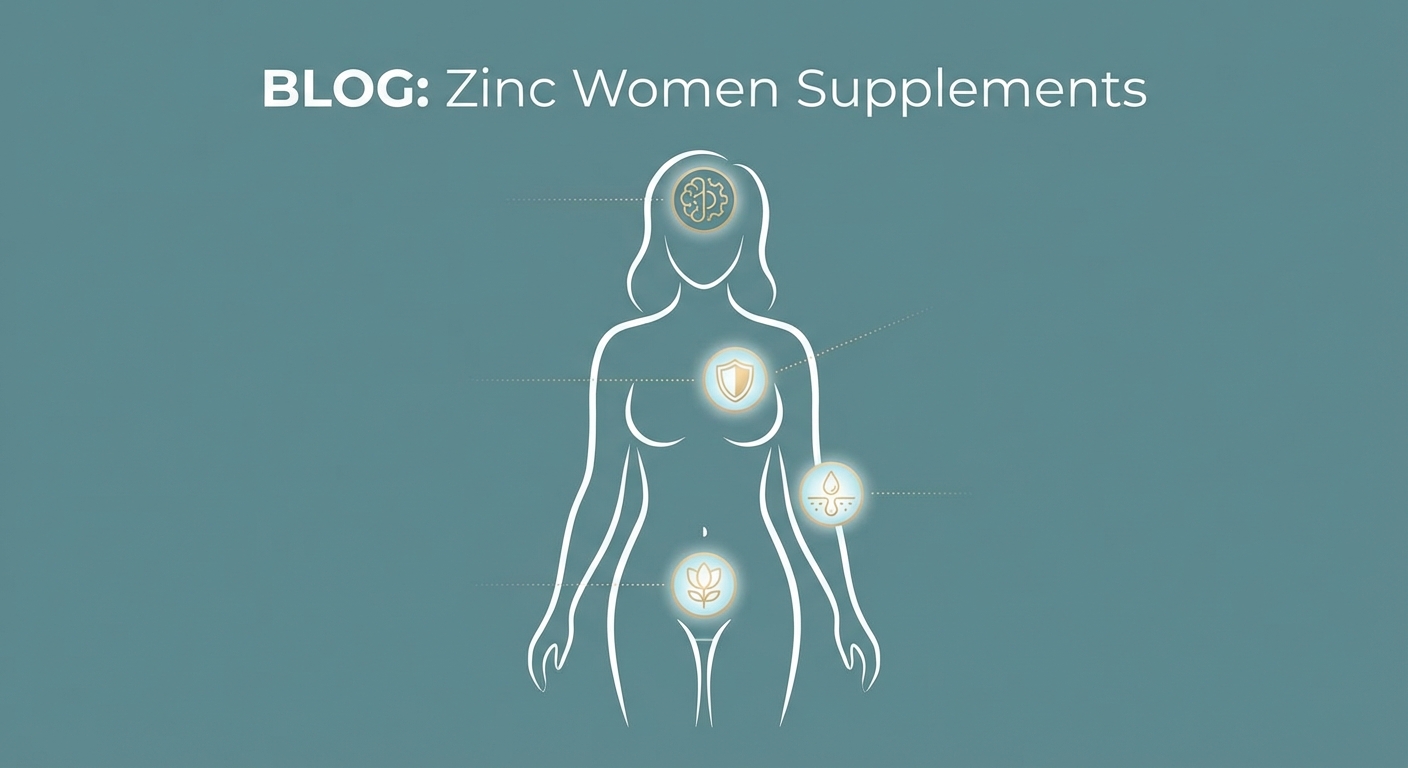
Zinc is one of those nutrients that rarely gets the spotlight, yet it quietly supports hundreds of processes that keep women well. From menstrual cycle regularity to immune resilience and skin health, zinc acts like a behind‑the‑scenes coordinator helping hormones, cells and tissues communicate effectively. When intake is low, small changes can appear across many systems at once, a pattern highlighted in reviews of zinc’s role in female reproductive health.
For women, understanding zinc is particularly important because needs shift across life stages, from the teen years through pregnancy and menopause. Marginal insufficiency is common, even in women who eat well, and symptoms are easy to dismiss as “just hormones” or stress.
Zinc’s Core Roles in Women’s Hormonal and Reproductive Health
Zinc participates in more than 300 enzyme reactions and influences around 2,000 genes involved in DNA and RNA activity, which means it affects how cells grow, repair and respond to signals. In practical terms, this mineral underpins immune function, tissue healing, blood sugar balance, and the integrity of skin and hair. When zinc status is poor, women may notice slower wound healing, frequent infections, brittle hair or nails, and more pronounced fatigue, patterns that align with findings from clinical commentary on zinc and hormones.
Hormones are especially sensitive to zinc. It helps regulate key reproductive hormones such as oestrogen, progesterone, luteinising hormone and follicle‑stimulating hormone, all of which are involved in ovulation and menstrual timing. Suboptimal zinc can contribute to irregular cycles, heavier or more painful periods, and ovulation issues that may affect fertility. Women with conditions like endometriosis or polycystic ovary syndrome often have higher inflammatory and oxidative stress loads, making zinc’s antioxidant and anti‑inflammatory roles even more relevant.
Zinc also supports the brain regions that influence mood and stress responses. Some research has linked lower zinc levels with more severe premenstrual symptoms, including anxiety and irritability, suggesting that restoring healthy status could help smooth out monthly mood swings for some women. Although supplementation may be useful in targeted situations, Australian nutrition guidance encourages meeting needs through food first, with any higher‑dose products used under professional supervision.
Common Causes and Signs of Zinc Insufficiency in Women
Survey data suggest that a substantial proportion of women do not meet recommended zinc intakes, and clinical estimates put deficiency or insufficiency at roughly one in three in some groups. Several lifestyle and medical factors can lower intake or reduce absorption. Heavy menstrual bleeding increases ongoing mineral losses, while low consumption of red meat, seafood and eggs limits the most concentrated dietary sources. Vegetarian and vegan eating patterns can be healthy, but they tend to rely on plant foods that contain phytates, compounds that bind zinc in the gut and reduce how much is absorbed.
Certain medicines and conditions also raise risk. Long‑term use of acid‑suppressing drugs like proton pump inhibitors and some antacids can impair mineral absorption. Hormonal contraceptives may alter zinc metabolism in some women. Endocrine conditions such as hypothyroidism and insulin‑resistant PCOS are often associated with higher oxidative stress and low‑grade inflammation, which can increase the body’s demand for zinc, as discussed in functional nutrition reviews of zinc and PCOS.
Early signs of marginal zinc deficiency are usually non‑specific. Women might notice more frequent colds, slow healing of cuts, dry or acne‑prone skin, or excessive hair shedding. Menstrual changes, from more painful cramps to unpredictable bleeding, can also appear. Because these symptoms overlap with many other issues, they are not proof of deficiency on their own, but they do signal a need for a thorough assessment by a GP or Accredited Practising Dietitian.
How Zinc Influences PMS, Mood, Skin, PCOS and Fertility
The premenstrual phase of the cycle is where zinc’s influence becomes particularly obvious for many women. Studies have shown that women experiencing significant PMS often have lower zinc levels than those without troublesome symptoms, and that zinc naturally dips during the luteal phase when PMS tends to appear. In small clinical trials, zinc supplementation across this phase has been associated with reduced PMS severity and better quality of life, although dosage and protocols should be individualised by a clinician, as echoed in overviews of zinc and female hormonal balance.
Mechanistically, zinc interacts with neurotransmitter systems in the brain, helping to shift the balance away from excessive excitatory signals toward more calming GABA activity. It supports the hippocampus and the broader stress‑regulation network, often called the HPA axis, which influences how we respond to everyday pressures. Zinc also helps dampen inflammatory and histamine pathways, both of which can aggravate physical PMS symptoms such as breast tenderness, bloating and headaches.
Skin is another visible window into zinc status. This mineral is involved in collagen formation, immune defence in the skin, and oil gland regulation. Its antioxidant and anti‑inflammatory actions help reduce the impact of hormonal shifts that drive breakouts, especially around the jawline and chin in the days before a period. In women who are deficient or marginally low, improving zinc status has been linked with fewer inflammatory acne lesions and milder dysmenorrhoea, likely through combined effects on prostaglandins, hormone receptors and local immune activity.
Polycystic ovary syndrome is a complex condition, but zinc appears to play a modest yet meaningful supportive role in its management. Research in women with PCOS has shown that increasing zinc intake can improve markers of insulin resistance, lipid profiles and overall antioxidant capacity. Because insulin resistance and oxidative stress drive many PCOS features, these changes may translate into better cycle regularity, ovulation and reproductive function over time, findings summarised in several zinc‑for‑PCOS reviews and clinical nutrition guidance for women with PCOS.
Zinc is directly involved in the maturation of ovarian follicles and the quality of oocytes, the eggs released during ovulation. Deficiency can disrupt the delicate signalling of FSH and LH, the pituitary hormones that coordinate follicle growth and ovulation. Observational work has linked adequate zinc intake with more regular cycles and improved fertility parameters in women with PCOS, suggesting it should be considered as part of a broader nutrition and lifestyle plan rather than an isolated “fix”.
Supporting Healthy Zinc Levels: Food First, Then Individualised Advice
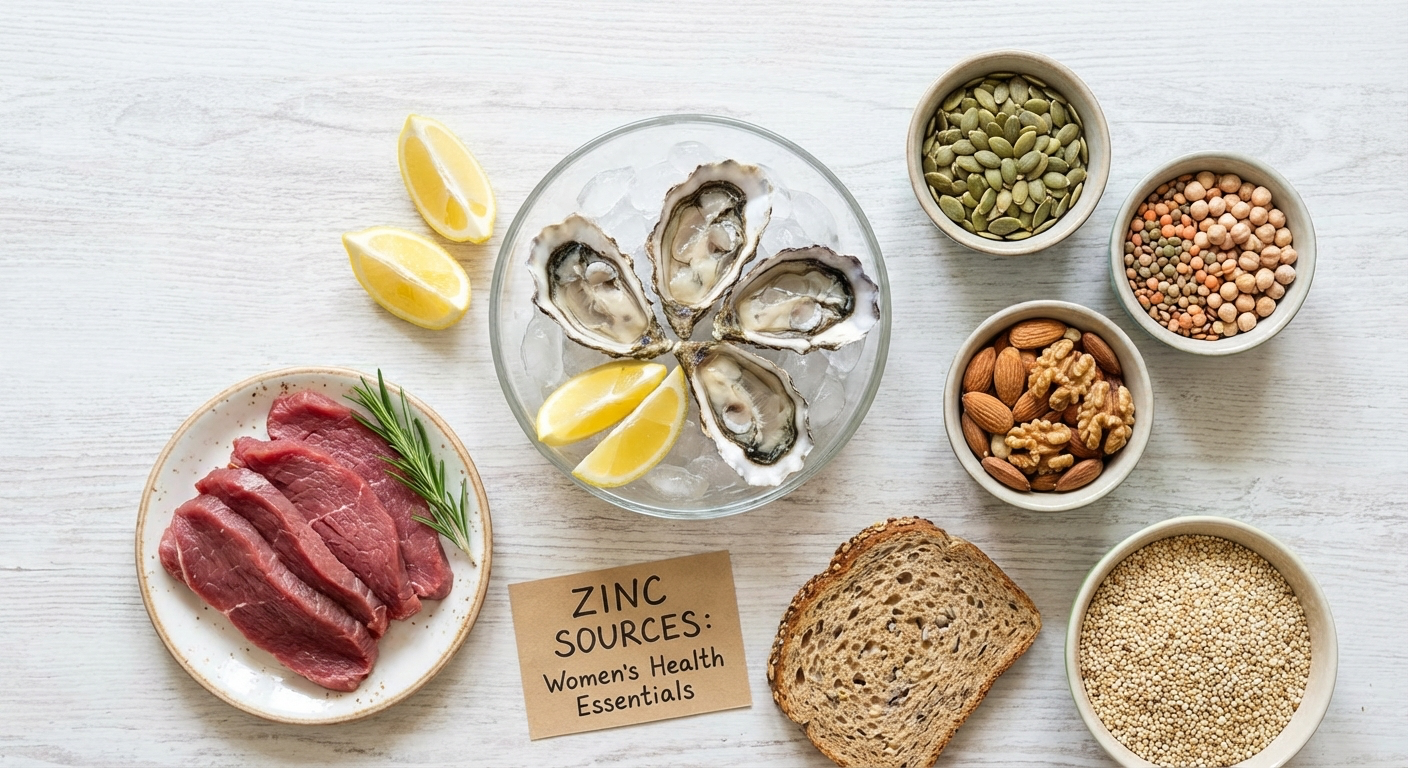
For most women, the best starting point for optimising zinc is a consistent, varied diet. In Australia, rich sources include lean red meat, oysters and other shellfish, poultry, eggs, and dairy foods such as cheese and yoghurt. For those who eat little or no animal products, wholegrains, legumes, nuts and seeds contribute useful amounts, and techniques like soaking, sprouting and fermenting can help reduce phytates and improve absorption.
Australian Nutrient Reference Values provide recommended intakes for zinc by age and life stage, which clinicians use as a baseline when assessing dietary patterns. Meeting these targets through food not only supports zinc status but also brings in companion nutrients like iron, B vitamins and high‑quality protein, all of which interact to support hormonal and metabolic health. If tests or a detailed dietary assessment suggest low zinc, a GP or APD may recommend a supplement for a defined period, taking into account other medications, gastrointestinal health and pregnancy status.
It is important not to self‑prescribe high‑dose zinc products. Excessive intake over time can interfere with copper absorption and alter immune function. Therapeutic doses, particularly those above everyday dietary needs, should only be used under medical supervision with clear monitoring. Often, simple, sustainable changes – such as including a zinc‑rich protein source with at least one or two meals most days – provide a safe, effective way to support hormonal balance, fertility and overall wellbeing.
Conclusion: When to Seek Personalised Zinc Advice
Zinc may be small in size, but its reach across women’s health is extensive, touching hormones, immunity, skin, mood and reproductive function. If you are experiencing concerns such as persistent PMS, irregular cycles, frequent infections or unexplained hair and skin changes, it is worth discussing zinc as part of a broader nutritional assessment with your GP or an Accredited Practising Dietitian. They can review your diet, arrange appropriate tests where indicated, and guide you on whether food changes alone are sufficient or whether short‑term supplementation is appropriate for your situation, which can be explored further through initial nutrition consultations.
Remember that this information is general in nature and not a substitute for personalised medical or dietary care. Always seek advice from your healthcare team before making changes to supplements or treatment plans, especially if you are pregnant, planning a pregnancy, or managing conditions such as PCOS, endometriosis or thyroid disorders, and consider engaging a clinic like Ausclin’s women’s health service for tailored support.
Frequently Asked Questions
Why is zinc important for women’s health?
Zinc supports hundreds of processes that are particularly important for women, including menstrual cycle regulation, fertility, immune function and skin health. It’s involved in hormone production and signalling, tissue repair, and how cells grow and respond to stress, so low levels can show up as cycle changes, frequent infections, and skin or hair issues.
What are the benefits of zinc supplements for women?
For women, zinc supplements may help support more regular menstrual cycles, healthier ovulation, improved skin, and a more resilient immune system when diet alone is not enough. Under practitioner guidance, zinc can also be part of a plan for managing conditions linked to inflammation and hormonal imbalance, such as PCOS or endometriosis.
How do I know if I might be low in zinc as a woman?
Common signs of low zinc in women include frequent colds or infections, poor wound healing, hair thinning, brittle nails, reduced sense of taste or smell, and more pronounced fatigue. Some women also notice irregular or painful periods and skin concerns; a women’s health nutrition consultation, like those offered by AusClin, can help assess symptoms, diet, and testing options.
Should I take zinc tablets for hormonal imbalance or irregular periods?
Zinc plays a key role in regulating oestrogen, progesterone, luteinising hormone and FSH, so correcting a deficiency may support more stable hormones and cycles. However, irregular periods can have many causes, so it’s best to work with a practitioner, such as AusClin’s women’s health clinicians, to check your overall nutrient status and choose the right dose and form of zinc for you.
What is the best zinc supplement for women with PCOS or endometriosis?
Women with PCOS or endometriosis often benefit from well‑absorbed forms such as zinc picolinate, citrate or bisglycinate, which are commonly used in practitioner‑grade products. The best option and dosage depend on your diet, other medications, and symptoms, so AusClin typically recommends an individualised zinc prescription as part of a broader nutrition and lifestyle plan.
Can zinc supplements help with fertility and trying to get pregnant?
Zinc is essential for ovulation, egg quality and healthy hormonal signalling, so adequate levels are important when you’re trying to conceive. If your intake is low, correcting a deficiency with diet and targeted supplementation can support overall reproductive health, but it should be done under professional guidance to fit safely within a preconception care plan.
How much zinc should a woman take daily and is it safe to supplement?
Most adult women need around 8–12 mg of zinc per day from food and supplements combined, with higher needs in pregnancy and breastfeeding. Short‑term therapeutic doses may be higher under practitioner supervision, but taking too much zinc for too long can interfere with copper and iron, so AusClin typically tailors dosage based on diet, symptoms and, where appropriate, blood tests.
Is it better to get zinc from food or from supplements for women?
Dietary sources like red meat, poultry, seafood, eggs, dairy, nuts and seeds are the foundation for zinc intake and are usually absorbed well when digestion is healthy. Supplements are useful when a woman has higher needs, restricted intake (such as vegetarian or vegan diets), gut issues, or existing deficiency, and AusClin generally combines food‑first strategies with targeted supplementation.
Can I take zinc every day with other vitamins like magnesium or iron?
Zinc can safely be taken daily alongside many other vitamins and minerals, but timing and dose matter because zinc can compete with iron and copper for absorption. A women’s health nutrition practitioner can structure your supplement plan—like separating zinc from high‑iron doses and choosing compatible combinations—so you get the most benefit with minimal interactions.
How can AusClin help me decide if I need a zinc supplement?
AusClin’s women’s health nutrition services assess your diet, symptoms, medical history and relevant lab tests to evaluate your zinc status and overall nutrient needs. Based on this, they can recommend whether you need zinc, which form and dose are appropriate, how long to use it, and how to combine it with diet and lifestyle changes for better hormonal and reproductive health.