School lunchboxes without the guilt
School lunchboxes are hard work. You love your kids. You also feel tired.
Social media shows tidy, rainbow boxes. Real life is very different most days.
This guide keeps things kind and simple. It comes from a mum and dietitian, drawing on the same evidence base used in dietitian lunchbox guides.
I want you to feel calm, not judged, when you pack food, whether you are reading this here or exploring more nutrition support through Ausclin.
A simple, balanced lunchbox formula
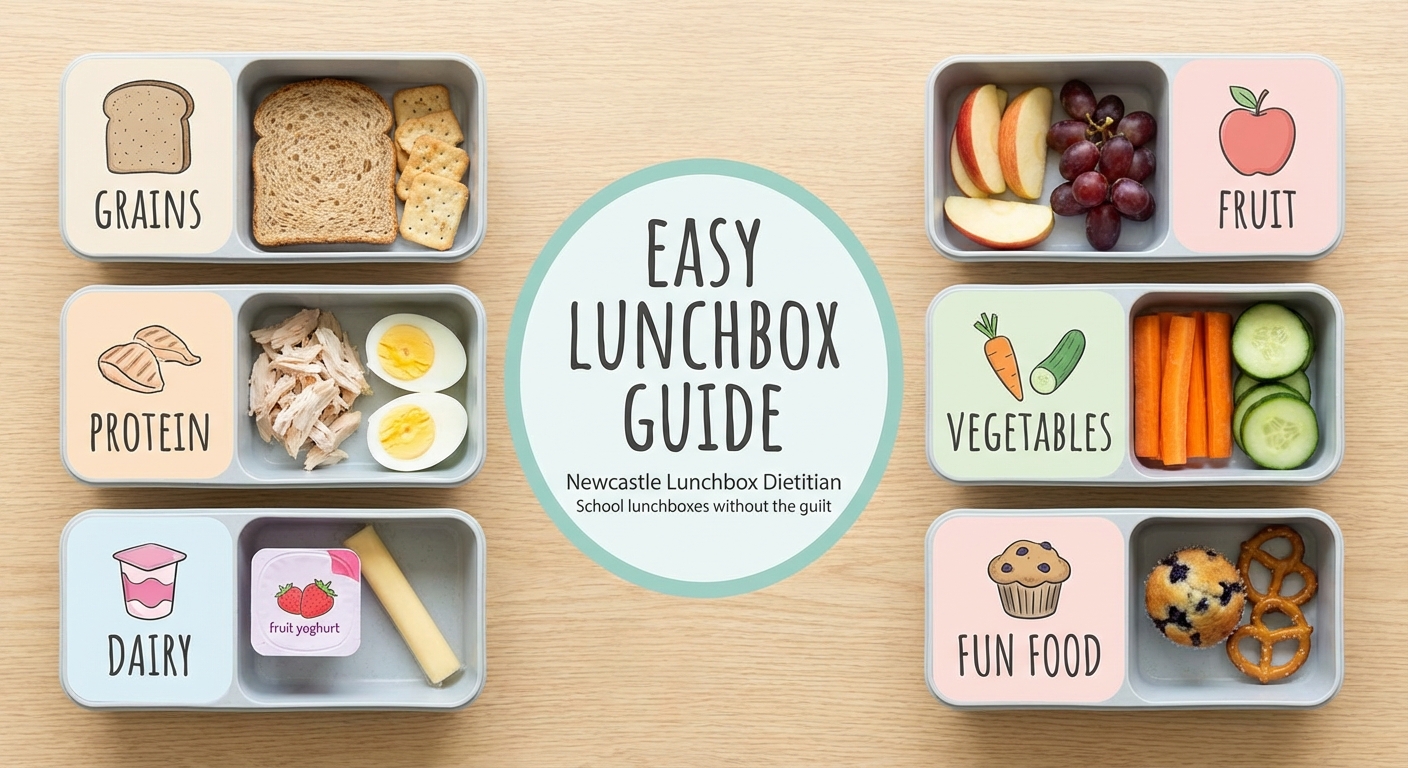
Think in food groups, not in perfect pictures. Use this easy check list, which lines up well with what many healthy school lunchbox resources suggest.
-
One grain food: bread, wrap, roll, pasta, English muffin, rice – think sushi, crackers.
-
One protein: chicken, egg, tuna, beans, hummus, leftover roast meat.
-
One dairy: cheese, yoghurt, milk, or a calcium fortified swap.
-
One to two fruits: apple, mandarin, berries, oranges, watermelon – whatever is accessible at the time.
-
One to two veg: carrots, cucumber, capsicum, cherry tomatoes, frozen corn.
-
One addition: popcorn (see precaution below)muesli bar, muffin, flavoured crackers, yoghurt pouch, scrolls or bliss balls.
-
Water as the drink.
Most days, aim for these parts. They do not need to look fancy, and they closely match many Australian kids’ lunch recommendations.
A note on popcorn. Popcorn can be a choking hazard for young children because the hard kernels and fluffy pieces are difficult to chew and can easily block a small airway. Even children who seem confident eaters can struggle with popcorn. For this reason, it is best avoided until at least five years of age.
If families are looking for safer crunchy options, you could suggest:
• Corn thins broken into small pieces
• Soft pita or flatbread cut into strips
• Rice cakes spread with something soft such as avocado or cream cheese
Simple, repeat lunches are fine. Kids often like the same safe foods on repeat.
Processed meats like ham and salami are easy, I know. They also bring lots of salt and nitrates.
If they are your child’s only protein now, start small. Try:
-
Ham one day, chicken the next.
-
Chicken breast on mini pizzas instead of salami.
-
Swapping one twiggy stick for cheese cubes.
Over time, you can use more unprocessed meats, eggs, and legumes, and if you want help with broader family eating patterns, dietitian-led nutrition services can support you step by step.
For fussier kids or ARFID, safety comes first. Keep safe foods packed.
Add tiny pieces of new food beside them. One pea. One carrot coin. No pressure.
They can ignore it. Your job is to offer it again another day.
It’s also worth considering that new foods are usually better introduced at home rather than in the lunchbox.
At school, children have limited time, distractions, social comparison and no familiar adult to support them. This makes trying something unfamiliar much harder.
At home, children are more relaxed and supported. They can explore a new food without time pressure and without worrying about what others are eating
For children who are underweight or not meeting growth expectations, lunchboxes often need more energy than parents expect. In which case you could consider adding energy in a practical way rather than increasing volume, as many children will not eat larger portions.
Taking the pressure off parents
You pack lunch every school day. That’s a huge mental load, and it is okay to seek extra support through services like Ausclin’s dietitian-led care if you need it.
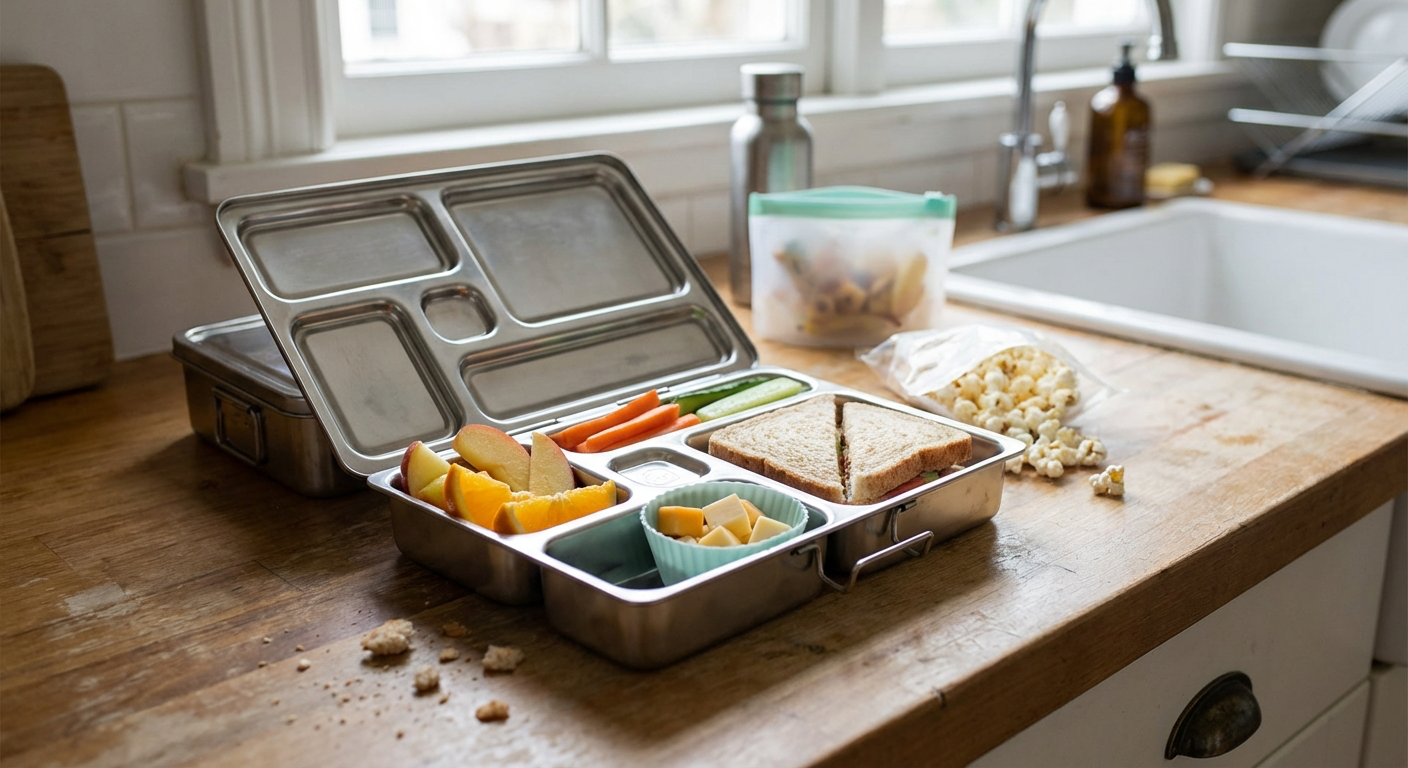
It’s okay to use packaged foods that help with this. Aim for ones with some fibre or protein, similar to the kinds of snacks suggested in many healthy kids’ snack guides.
-
Roasted chickpeas or fava beans.
-
Yoghurt pouches.
-
Wholegrain crackers or muesli bars.
-
Corn thins or popcorn.
Repetition is not lazy. It is smart and soothing for many children, and mirrors the practical approach you might see in family-friendly lunchbox inspiration.
A Vegemite sandwich every day can be okay. You can add colour with fruit or veg.
If the lunchbox comes home half full, you did not fail. Kids chat, play, and run out of time.
Use what comes back as data, not a judgement. Pack a bit less or swap items, and if you are already managing things like PCOS or endometriosis, be kind to yourself about how much you can juggle.
One key thing to remember
Your worth is not measured by a lunchbox. Fed and loved is enough, whether or not you are also navigating seasons like fertility and preconception nutrition or early parenting.
Start with one small shift this week, not a full lunchbox makeover. No matter where you are in your journey, whether you’re aiming to reduce processed meats and boost your protein intake, seeking to minimise additives and emulsifiers, or packing a lunchbox for kiddos with special medical considerations like iron deficiency or ARFID, your non-judgemental dietitian at Ausclin is here to support and guide you. We understand that everyone’s nutritional needs and challenges are unique, and we’re committed to helping you create balanced, nourishing meals that suit your lifestyle and health goals with compassion and expertise
Frequently Asked Questions
What should I put in a healthy school lunch box for my child?
Aim for a simple formula: one grain (bread, wrap, rice, pasta or crackers), one protein (chicken, egg, tuna, beans, hummus or leftover meat), one dairy or calcium-fortified alternative, one to two fruits, one to two veggies, and one fun food like popcorn or a muesli bar. Water is the best drink, and the food doesn’t need to look fancy or Instagram-worthy to be balanced and nutritious.
How do I pack a balanced lunch box without spending hours every morning?
Use a repeatable checklist instead of aiming for variety every day: grain + protein + dairy + fruit + veg + fun food + water. Prep simple items in bulk (like chopped veg, cheese cubes, boiled eggs) and rotate the same few options through the week so you’re not reinventing the lunchbox daily.
Are processed meats like ham and salami okay in school lunchboxes?
Processed meats such as ham, salami, cabanossi and twiggy sticks are high in sodium and contain nitrates, which we aim to limit. They’re convenient and common, so rather than banning them overnight, it’s more realistic to reduce how often you use them and start adding alternative proteins like chicken, eggs, tuna, beans or cheese.
Is nitrate-free ham actually better for kids’ lunchboxes?
Many nitrate-free or ‘natural’ hams still use celery extract, which contains naturally occurring nitrates, so they’re not completely nitrate-free. They may be marketed as a better option, but from a dietitian perspective, it’s still wise to treat them as processed meat and focus on gradually including more unprocessed proteins over time.
How can I reduce processed meat in my child’s lunch box without a meltdown?
Start by making small swaps, not big changes: alternate days (ham one day, chicken the next) or pair the familiar food with a new option (ham sandwich plus a boiled egg or cheese cubes). Over weeks, you can slowly reduce the processed meat portion and increase other proteins so your child feels safe and supported, not pressured.
What can I pack for a really fussy eater or a child with ARFID?
For fussy eaters and kids with ARFID, keep their safe foods in the lunchbox so they know they will have something they can eat. You can gently add tiny amounts of new foods next to their safe items (for example, one pea or a single carrot slice) with no pressure to try it, just quiet, repeated exposure over time.
How do I stop feeling guilty that my kid’s lunchbox isn’t as perfect as social media?
Remember that social media shows highlight reels, not real life, and many ‘perfect’ lunchboxes aren’t sustainable day to day. If your child has something from each main food group most days, plus a fun food, you’re doing a great job—nutrition is about patterns over time, not one photo-ready lunch.
What counts as a fun food in a healthy lunchbox and is it okay every day?
Fun foods can be things like popcorn, a muesli bar, a small muffin, flavoured crackers or a flavoured yoghurt pouch. Including one fun food most days is fine and can actually make the rest of the balanced lunchbox more acceptable for kids, as long as the core food groups are still there.
What is the best drink to put in my child’s school lunch box?
Plain water is the best and simplest drink for school, helping with hydration and concentration without added sugars. Juice and soft drink are best kept for occasional use at home rather than as everyday lunchbox staples.
Can a dietitian in Newcastle help me with my child’s lunchboxes and fussy eating?
Yes, AusClin dietitians in Newcastle can work with you to build realistic, non-judgmental lunchbox routines and support you with fussy eating or ARFID. They use evidence-based strategies and take into account your family’s schedule, budget and your child’s unique preferences to create a plan you can actually stick with.
Do AusClin dietitians only help with kids’ lunchboxes, or can they support the whole family?
AusClin dietitians support children’s nutrition, including school lunchboxes, as well as broader family needs like pregnancy and postpartum nutrition and general healthy eating. They can help you create consistent patterns across home meals and lunchboxes, so changes feel joined-up rather than like separate ‘diets’ for each family member.