From PCOS to PMOS: What the New Name Means
The condition long known as polycystic ovary syndrome (PCOS) now has a new official name: polyendocrine metabolic ovarian syndrome (PMOS). This change followed a large global agreement process led by Australian researchers. Clinicians and people living with the condition in many countries took part in this process.https://www.monash.edu/news/articles/polyendocrine-metabolic-ovarian-syndrome-new-name-to-improve-diagnosis-and-care-of-condition-affecting-170-million-women-worldwide
If you were diagnosed with PCOS in the past, you do not suddenly have a different disorder. PMOS is the updated, more accurate name for the same underlying condition. What changes is the framework. There is more attention to hormones and metabolism and less fear around “cysts”. There is also hopefully more space to talk about what matters to you, whether that is fertility, symptom relief, or just feeling more like yourself day to day.https://apnews.com/article/9e8d83f2a7866eb1a16d6dd45ef1ec07
The new name focuses less on “cysts” and more on how hormones and metabolism are involved. Many people in Newcastle and across Australia have felt confused by the old label. This was common when scans showed “polycystic ovaries” but their symptoms did not match. PMOS aims to give a clearer picture and reduce that confusion.
Importantly, the diagnostic criteria themselves have not substantially changed. PMOS is primarily a terminology update designed to better reflect the hormonal and metabolic nature of the condition.
Why ‘Polycystic Ovary Syndrome’ Was Misleading
The word “polycystic” suggests the ovaries are full of cysts. In reality, most people with this condition have many small, immature follicles instead of true cysts. These follicles are like “paused” eggs that have not fully developed due to hormone imbalances.
To make things trickier, quite a few people without symptoms can also show “polycystic” ovarian appearances on ultrasound. So the label “PCOS” pushed both doctors and patients to focus heavily on scans. Other signs such as irregular cycles, excess hair growth, acne, or metabolic issues could then be overlooked.
So while “PCOS” became a familiar term, it painted an incomplete and often confusing picture. The renaming to PMOS is an attempt to match the name to the biology. It also aims to shift the story away from scary-sounding “cysts” toward a more accurate, whole body view.
What PMOS Tells Us – and How It Shapes Care
PMOS might sound like another long medical acronym, but each word has been chosen carefully. Understanding it can help you understand your own health.
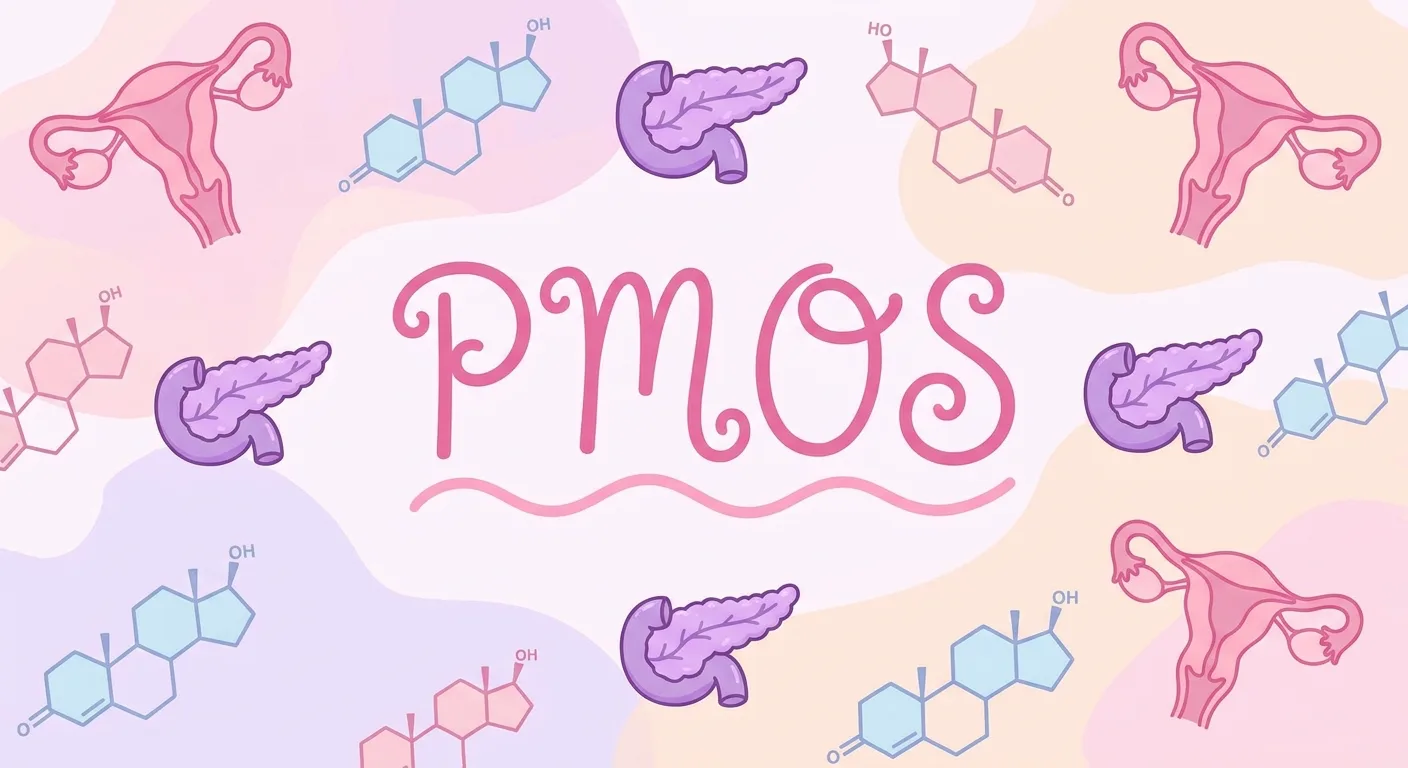
Polyendocrine means “many hormone systems”. Several glands are involved, not just the ovaries. These include the ovaries, which produce eggs and sex hormones. The adrenal glands make stress and androgen hormones. The pancreas makes insulin. The brain’s hormone centres send signals to the ovaries. Together, these systems influence periods, ovulation, weight, mood, skin, and more. This shows that this is a whole body hormonal condition, not only a gynaecological one.https://doi.org/10.1016/S0140-6736(26)00717-8
Metabolic points to how the body handles energy, particularly glucose and fats. Many people with PMOS have insulin resistance, where cells do not respond well to insulin. The body then works harder to keep blood glucose in range. This can raise insulin and androgen levels. Over time, this pattern increases the risk of type 2 diabetes, high blood pressure, and fatty liver disease .https://pubmed.ncbi.nlm.nih.gov/15866584/
Ovarian stays in the name because the ovaries are still central. They respond to these hormone and metabolic signals, which can disturb ovulation and change hormone output. But “ovarian” now sits alongside “polyendocrine” and “metabolic”. This reminds us the ovaries are part of a larger network, not the only player.
Syndrome means a group of features that tend to cluster together. In PMOS, that cluster may include irregular or absent periods, signs of high androgens such as facial hair or acne, difficulty with weight, and metabolic changes. Not everyone has every feature, but the pattern is recognisable. It can also overlap with other conditions like endometriosis or perimenopausal changes, where support from an endometriosis dietitian or menopause and perimenopause dietitian may also be relevant.
Changing a name might sound minor, but in health care it can alter how everyone thinks. With PMOS, the goal is to bring hormone and metabolic health into the spotlight from the first conversation.
Under the PCOS label, ultrasound was sometimes treated as the “decider”. Yet current international guidelines stress that diagnosis should be based on a mix of features. These include cycle pattern, androgen levels or symptoms, and sometimes ovarian appearance. The PMOS framing encourages clinicians to weigh all these areas, rather than chasing cysts on a scan. It also supports a more rounded discussion with allied health, including your dietitian, about long-term metabolic health goals.https://www.mja.com.au/journal/2018/australian-led-pcos-guideline-international-first
Professional bodies, such as RANZCOG, have welcomed the change and highlighted its potential to support more holistic care. They note that PMOS better reflects the multisystem nature of the condition. It may prompt earlier checks for blood glucose, cholesterol, blood pressure, and liver function tests https://ranzcog.edu.au/news/ranzcog-welcomes-polycystic-ovarian-syndrome-pcos-renaming-to-polyendocrine-metabolic-ovarian-syndrome-pmos/
Living Well With PMOS: Nutrition, Treatment and Next Steps
With “metabolic” now front and centre in the name, nutrition moves from the sidelines to a core part of PMOS care. Food is not a cure, but it is one of the most consistent levers you control day to day.
Research suggests that dietary patterns rich in whole plant foods, fibre, and healthy fats can improve insulin sensitivity and heart and metabolic markers in people living with this condition. Examples include Mediterranean-style eating and other plans that emphasise vegetables, legumes, whole grains, extra-virgin olive oil, nuts, seeds, and lean protein sources. You can see how your current eating compares with our Mediterranean diet score. There is room to adapt these principles to your culture, preferences, and cooking skills.https://pubmed.ncbi.nlm.nih.gov/36099162/
Low-glycaemic index carbohydrate choices may help prevent sharp blood glucose swings and ease the load on insulin. Think oats instead of sugary cereal, grainy bread instead of white, lentils instead of instant noodles. Over time, these small swaps can nudge hormone and metabolic patterns in a kinder direction. This is especially true when combined with movement and sleep routines that feel realistic for you.
As an Accredited Practising Dietitian working with people in Newcastle and surrounds, I often describe PMOS as a “long game”. You do not need a perfect diet. You need a realistic pattern that supports your energy and mood and respects your culture and budget. That might look like batch-cooked lentil soups in winter or quick stir-fries after late shifts. It may also evolve over time, which is exactly why ongoing support from nutrition and dietetic services can be so helpful.
Nutrition care should also sit alongside medical treatment, not compete with it. Some people will use medications that act on insulin resistance, ovulation, or androgens. Food and movement can enhance the benefits of these therapies and sometimes reduce side effects. Choices should always be guided by your GP or specialist team. They should also be discussed openly with your dietitian so that your plan feels joined up rather than pieced together from different corners of care.
Steps you might consider:
-
Direct any questions you have about this change to your GP.
-
Review your blood tests for glucose, cholesterol, and liver health
-
Work with an APD to build an eating pattern that feels sustainable for you, and if you are unsure where to begin, our Should I see a dietitian? tool can help you decide if now is the right time
Check in on mood, stress, sleep, and support systems, as these all interact with hormone health. Life stage changes such as perimenopause or overlapping conditions like endometriosis may also influence symptoms and care needs.
All content here is general education only. It is not personalised medical, diagnostic, or nutrition advice. Please do not use this article to make decisions about tests, medications, or supplements. Always speak with your GP, treating specialist, or an Accredited Practising Dietitian for recommendations that match your own health history and current situation. If you are unwell or worried about urgent symptoms, seek medical help straight away (and remember you can review how your information is handled by reading our privacy policy if you choose to work with us).
Frequently Asked Questions
Why has PCOS been renamed to PMOS?
PCOS has been renamed to PMOS (polyendocrine metabolic ovarian syndrome) to better reflect what is actually happening in the body. The new name highlights the hormonal (endocrine) and metabolic factors involved, rather than just the appearance of the ovaries on an ultrasound. This change aims to improve diagnosis, reduce confusion, and support more holistic care.
What is the difference between PCOS and PMOS?
PCOS and PMOS describe the same underlying condition, but PMOS is a more accurate, updated name. The old term focused on ‘polycystic ovaries’, while PMOS emphasises hormone and metabolic issues that affect multiple body systems, not just the ovaries. In practice, your symptoms and treatment needs are the same; it’s the language and understanding that are changing.
Does the name change from PCOS to PMOS mean my diagnosis has changed?
If you were diagnosed with PCOS, your condition has not changed—only the recommended medical name is changing to PMOS. You don’t suddenly have a new disease; it’s a more accurate label for what you already live with. Over time, your health providers may update your records and language to PMOS.
What does polyendocrine metabolic ovarian syndrome (PMOS) actually mean?
‘Polyendocrine’ means multiple hormone systems are involved, not just one. ‘Metabolic’ refers to how your body processes energy, insulin, and fats, which are often affected in this condition. ‘Ovarian’ reminds us the ovaries are part of the picture, but not the only issue. Together, PMOS describes a whole‑body hormonal and metabolic condition, not just ovarian cysts.
Why was the term polycystic ovary syndrome considered misleading?
The word ‘polycystic’ made many people think they had lots of dangerous cysts on their ovaries, when most actually have many small, immature follicles. These are like paused eggs caused by hormone imbalance, not growths that need removing. The focus on ultrasound appearances also meant other key signs—like irregular periods, excess hair, acne, insulin resistance, or weight changes—were sometimes overlooked.
Will treatment or management change now that it’s called PMOS instead of PCOS?
The core treatments—nutrition support, movement, possible medications, and lifestyle changes—remain the same. However, using the term PMOS may push health professionals to more consistently address metabolic and hormonal health, not just fertility or ovarian appearance. This can mean more emphasis on long‑term heart, insulin, and weight health, where dietitians play a key role.
How does PMOS affect hormones and metabolism?
PMOS involves imbalances in reproductive hormones, such as higher androgens, as well as changes in insulin and other metabolic hormones. These shifts can lead to irregular periods, acne, excess hair growth, challenges with weight, and a higher risk of insulin resistance and type 2 diabetes. Understanding this hormone–metabolism link is central to effective nutrition and lifestyle treatment.
Can you have PMOS even if your ultrasound looks normal?
Yes, you can meet the criteria for PMOS without having a ‘polycystic’ appearance on ultrasound. Diagnosis is based on a combination of factors, including period patterns, signs of high androgens, blood tests, and sometimes scan findings. The move to PMOS is intended to reduce over‑reliance on ultrasound alone and ensure symptoms and blood markers are taken seriously.
How can a dietitian help manage PMOS symptoms?
An experienced PMOS or PCOS dietitian can help you stabilise blood sugar, improve insulin sensitivity, and support hormone balance through tailored nutrition. This might include adjusting carbohydrate types and timing, optimising protein and fibre, and creating realistic meal plans that fit your lifestyle. At AusClin, dietitians in Newcastle and Lake Macquarie work as part of a team with your GP and specialists to target both symptoms and long‑term metabolic health.
Does AusClin still offer PCOS dietitian services now that it’s called PMOS?
Yes, AusClin continues to support people with this condition, whether it’s called PCOS or PMOS. Our dietitians are up to date with the new naming and guidelines and focus on hormone and metabolic health rather than just ultrasound findings. You can book a PMOS/PCOS nutrition consultation in Newcastle, Lake Macquarie, or via telehealth if you prefer online support.