
Nutrition, Gut Health and Endometriosis in Menopause
Many women hear that endometriosis will fade once periods stop. Yet for a sizeable group, pain, bloating and bowel changes continue well into menopause. As estrogen falls, the gut microbiome, low‑grade inflammation and IBS‑type symptoms often become more obvious. When you understand how nutrition, gut health and lingering endometriosis interact after menopause, your symptoms can feel less mysterious and more manageable.
This article explains the estrobolome (the gut bacteria that recycle estrogen), how IBS and endometriosis interact, the role of histamine, and practical nutrition steps to calm your gut. It is general education only and does not replace personalised advice from your GP, gynaecologist or Accredited Practising Dietitian.
How the Estrobolome Links Nutrition, Menopause and Endometriosis
Endometriosis is often described as an estrogen‑dependent disease of the reproductive years. Yet research shows lesions and pain can continue, and even begin, after menopause, especially in women with severe disease or those using hormone therapy (Inceboz, 2015; Australasian Menopause Society, 2022). Extra‑ovarian estrogen from body fat, adrenal glands and HRT still circulates and interacts with endometriosis lesions long after the last period.
The estrobolome is the group of gut bacteria that carry genes for enzymes such as β‑glucuronidase. These enzymes “unpack” estrogen molecules that the liver has prepared for excretion. Once de‑conjugated, these estrogens can be reabsorbed through the gut and return to the bloodstream. This process slightly increases the pool of active estrogen (Kwa et al., 2016). It continues after menopause, because estrogen made in other tissues, or taken as HRT, still passes through the liver‑gut pathway and is exposed to bacterial enzymes. Resources such as The Estrobolome: The Gut Microbiome-Estrogen Connection describe this liver‑gut‑estrogen pathway in more detail.
Menopause itself shifts the microbiome. Studies show microbial diversity can fall. The overall pattern can also become more inflammatory, especially after sudden estrogen loss such as surgical menopause (Baker et al., 2017). In women with higher body fat or metabolic syndrome, estrogen circulation remains significant. The estrobolome therefore keeps playing a role in symptoms and long‑term risk. A gut environment that favours higher β‑glucuronidase activity may slightly increase estrogen exposure to residual endometriosis lesions. This may then fuel ongoing inflammation.
Diet is one of the main tools you have to shape the estrobolome. Eating plenty of whole plant foods supports a more diverse microbiome. In contrast, very low fibre, highly processed patterns tend to reduce diversity. Observational work in midlife and postmenopausal women links higher fibre intake and lower saturated fat with modestly lower circulating estrogen levels (Gann et al., 1999; Wu et al., 2016). These studies were done for cancer and hormone research rather than endometriosis. However, the same hormonal pathways are relevant in menopause, and align with using medical nutrition therapy to support hormone‑related conditions.
For someone in Newcastle living with postmenopausal endometriosis, this might mean aiming for most meals to include vegetables, whole grains and legumes as tolerated. Smaller portions of processed foods can sit alongside these choices. This is not a cure for endometriosis. It is a practical way to support a healthier estrobolome and gut environment alongside medical care. It can be especially useful when guided by a menopause and perimenopause dietitian who understands hormonal change.
journals.sagepub.com
menopause.org.au
pmc.ncbi.nlm.nih.gov
academic.oup.com
IBS, Endometriosis and Gut Reactivity After Menopause
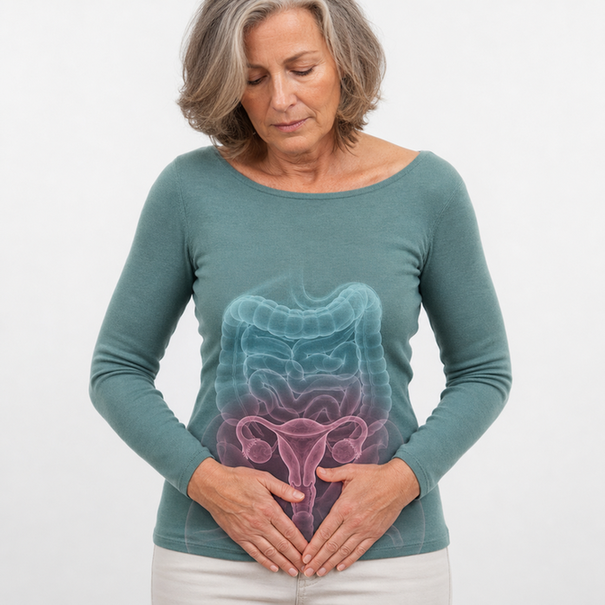
IBS and endometriosis often travel together. Women with endometriosis are more likely to report bloating, bowel pain and altered habits, and sometimes meet formal criteria for IBS (Gastro‑Intestinal Symptoms study, 2011). This overlap does not simply disappear after menopause. Instead, hormonal buffering drops away and bowel symptoms may feel more obvious. Reviews on the link between the gut microbiome and endometriosis also explain why gastrointestinal symptoms can remain prominent.
There are several reasons the gut can stay so reactive. Endometriosis is an inflammatory condition. Even when ovarian estrogen is low, low‑grade inflammation, adhesions from previous surgery, and changes in gut motility can affect how the bowel moves and senses stretch (Mathias et al., 1998). Central and visceral hypersensitivity mean the nerves in the gut and spinal cord become extra sensitive to normal signals. Gas or stool that would not trouble someone else can then feel very painful.
Genetic studies from the University of Queensland suggest shared biological pathways between IBS and endometriosis. This helps explain why both conditions are so common in the same person (UQ News, 2023). Menopausal changes in sex hormones can also influence functional gut symptoms. Some women report more constipation, bloating or reflux as estrogen and progesterone decline, though this comes from surveys and consumer health reporting rather than from the large menopause cohort studies, which did not measure gastrointestinal symptoms.
Diet can calm or provoke this sensitive gut. For people who meet IBS criteria, a structured low‑FODMAP approach has consistent evidence for reducing bloating and pain (Srivastava et al., 2021; Black et al., 2022). Early research specific to endometriosis suggests that a supervised low‑FODMAP trial can ease gastrointestinal symptoms in those with overlapping IBS. It does not treat endometriosis itself (Varney et al., 2025). Such plans should be short‑term and guided by an Accredited Practising Dietitian in Newcastle & Lake Macquarie. They should be followed by careful reintroduction to identify personal triggers while protecting long‑term gut and bone health.
If you are in menopause with known endometriosis and bowel symptoms that disrupt daily life, a clinical assessment for IBS is worthwhile. From there, a gut‑focused nutrition plan can sit alongside gynaecology care and pelvic physiotherapy to reduce daily discomfort and improve quality of life. This works best when developed as part of targeted endometriosis nutrition support.
journals.sagepub.com
pubmed.ncbi.nlm.nih.gov
uq.edu.au
pmc.ncbi.nlm.nih.gov
gut.bmj.com
Histamine, Nutrition and Soothing the Gut in Menopause
Histamine adds another layer to the menopause‑endometriosis‑IBS picture. Histamine is a signalling chemical involved in immune responses, stomach acid production and nerve signalling. Research shows higher expression of histamine‑related genes in endometriosis lesions. This may promote pain and local inflammation (Wang et al., 2025; Mao et al., 2025 — laboratory studies). In the bowel, mast cells release histamine in response to stress, some foods and microbial signals. This release can heighten pain and alter motility.
In IBS, bacterial production of histamine and increased mast cell activity near gut nerves have been proposed as contributors to abdominal pain and urgency, though this remains an active research question. People who report food‑related IBS flare‑ups often mention histamine‑rich or histamine‑releasing foods such as wine, beer and some processed meats (Böhn et al., 2013). Whether menopause itself changes how histamine is handled has not been established, and we would treat any low-histamine trial as an individual experiment rather than a rule.
For some women with endometriosis and IBS, a carefully structured, short‑term low‑histamine trial can help clarify whether histamine‑heavy foods are a trigger. Guidelines from European allergy groups stress that histamine intolerance should be assessed cautiously, with medical input. They also stress that diets must be personalised rather than extremely restrictive long term (DGAKI guideline, 2021). Australian resources on food intolerance also advise against broad self‑diagnosed restriction without support. Such restriction can lead to nutrient gaps and rising anxiety around eating.
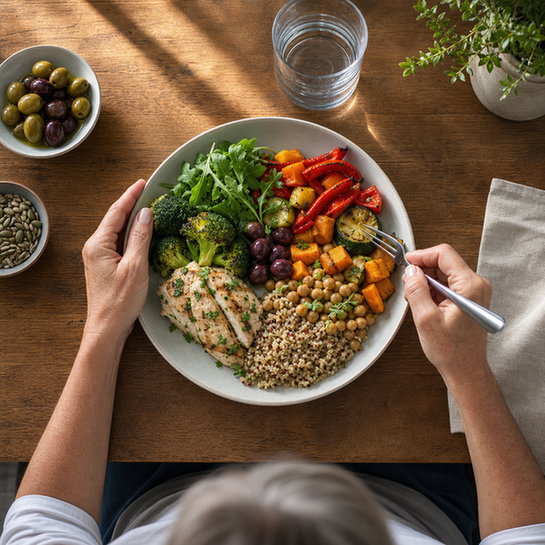
From a practical nutrition point of view, the aim is to settle the gut rather than chase a perfect “endometriosis diet”. For many menopausal women, this might involve:
-
Building meals around fruits, vegetables, whole grains, nuts and seeds to support microbial diversity and regular bowels.
-
Including sources of omega‑3 fats such as oily fish, walnuts or linseeds to support an anti‑inflammatory pattern.
-
Using a short‑term low‑FODMAP or low‑histamine trial only when symptoms and history suggest it, and only with dietitian guidance.
-
Protecting bone, muscle and heart health by keeping adequate protein, calcium‑rich foods and whole grains on the plate.
This symptom‑led, gut‑centred approach aligns with current reviews. These reviews state there is no single, evidence‑based diet that cures endometriosis. They also note that targeted changes can reduce pain and gastrointestinal symptoms when individual patterns are considered (Parazzini et al., 2013). An overview from Endometriosis Australia on whether there is a universal diet for endometriosis echoes this message. Summaries such as RACGP – Could changing your diet improve endometriosis pain? do as well. Working with an experienced women’s health dietitian allows you to test strategies safely, adjust for other health conditions and avoid over‑restriction during an already demanding life stage.
pubmed.ncbi.nlm.nih.gov
nature.com
pubmed.ncbi.nlm.nih.gov
pmc.ncbi.nlm.nih.gov
pubmed.ncbi.nlm.nih.gov
Bringing It Together: Calming the Gut to Support Menopause and Endometriosis
Menopause does not guarantee relief from endometriosis. Ongoing estrogen exposure from body fat or HRT, a reactive estrobolome, IBS overlap, visceral hypersensitivity and histamine‑related mechanisms can all play a part in persistent symptoms. The common thread is the gut. Research into the role of gut and genital microbiota and the estrobolome in endometriosis, infertility and chronic pelvic pain supports this interconnected picture.
By focusing on gut‑friendly, symptom‑led nutrition rather than searching for a single perfect diet, you can support your microbiome, calm bowel reactivity and reduce day‑to‑day discomfort. Pairing this with medical care and, where needed, pelvic physio and psychological support is the most useful combination for feeling more in control. It can also be complemented by comprehensive nutrition and dietetic services that consider your broader health.
If you are living with endometriosis in or after menopause and unsure where to start, consider booking an appointment with a local Accredited Practising Dietitian. They can help you map your symptoms, and trial targeted strategies like low‑FODMAP or low‑histamine eating when appropriate. They also help protect overall nutrition so you can move through midlife with greater comfort and confidence.
Frequently Asked Questions
Can endometriosis symptoms continue after menopause?
Yes, endometriosis symptoms can continue or even appear after menopause, especially in women with severe disease or those on hormone replacement therapy (HRT). Even though ovarian estrogen drops, your body still produces estrogen in fat tissue and adrenal glands, and this can keep feeding endometriosis lesions. Ongoing pain, bloating and bowel changes in menopause are therefore not uncommon. If symptoms persist, it’s important to discuss them with your GP, gynaecologist and an Accredited Practising Dietitian familiar with endometriosis.
What is the estrobolome and how does it affect menopause and endometriosis?
The estrobolome is the collection of gut bacteria that carry genes for enzymes (like β‑glucuronidase) which can “unpack” estrogen that the liver has prepared to excrete. Once unpacked, this estrogen can be reabsorbed through the gut and recirculate in the body, slightly increasing your overall estrogen exposure. In menopause, estrogen made in fat tissue, adrenal glands or taken as HRT still passes through this liver–gut pathway. If your estrobolome is imbalanced, it may contribute to ongoing stimulation of endometriosis lesions and inflammation.
Why do I still have IBS-type gut symptoms with endometriosis in menopause?
IBS-type symptoms like bloating, alternating constipation and diarrhoea are common in women with endometriosis and can persist after menopause. Ongoing low‑grade inflammation, changes in the gut microbiome and cross-talk between pelvic nerves and the bowel can keep the gut hypersensitive. Menopause itself can reduce microbial diversity and shift the microbiome towards a more inflammatory pattern. Working on gut health with targeted nutrition can help calm the bowel and reduce symptom flares.
How does gut health influence estrogen levels and endometriosis after menopause?
Your gut health influences estrogen levels through the estrobolome, which influences how much estrogen is reactivated and reabsorbed from the bowel. A microbiome with high β‑glucuronidase activity may increase the pool of active estrogen, even after menopause. In women with residual endometriosis, this extra estrogen exposure has been proposed to contribute to ongoing inflammation and pain, though this is an emerging mechanism that has not been shown to change endometriosis outcomes. Supporting a balanced, diverse microbiome with diet is one way to gently influence this pathway.
What role does histamine play in endometriosis, IBS and menopause symptoms?
Histamine is a chemical involved in immune responses and is also stored in the gut; it can contribute to bloating, flushing, headaches and bowel urgency. In some women with endometriosis and IBS, a sensitive gut lining and disrupted microbiome make it harder to break down histamine from foods or internal sources. A dietitian can help assess whether histamine‑rich foods or poor histamine breakdown might be part of your picture.
What foods help support the estrobolome and gut health in menopause with endometriosis?
A diet rich in whole plant foods—vegetables, fruits, legumes, whole grains, nuts and seeds—supports a more diverse and stable gut microbiome. These foods provide fibre and polyphenols that feed beneficial bacteria and may help balance estrogen recycling. Limiting ultra‑processed foods, excess added sugars and very low‑fibre diets is also important, as they can promote a more inflammatory microbiome. An Accredited Practising Dietitian can tailor these principles to your symptoms and food tolerances.
How can I calm my gut if I have both endometriosis and IBS after menopause?
Start by focusing on regular, balanced meals with enough fibre from tolerated plant foods, along with adequate fluids. Gentle adjustments like reducing highly processed foods, trialling specific fibres (e.g. oats, psyllium) and moderating common gut triggers such as alcohol or very fatty meals can help. For some women, a structured trial of a low FODMAP or other evidence‑based IBS diet under dietitian supervision is useful. Because endometriosis adds pelvic pain and inflammation, working with a clinician who understands both conditions is key.
Does hormone replacement therapy (HRT) worsen gut or endometriosis symptoms in menopause?
HRT can be very helpful for menopausal symptoms, but in some women with a history of endometriosis it may contribute to persistent or recurrent pain by providing additional estrogen. That estrogen still moves through the liver–gut pathway and interacts with the estrobolome. Whether HRT worsens symptoms depends on the dose, type of hormones, your body fat, and how active any residual endometriosis is. Decisions about starting or continuing HRT should be made with your GP or menopause specialist, ideally alongside input from your gynaecologist.
When should I see a dietitian about menopause, endometriosis and gut issues?
It’s worth seeing an Accredited Practising Dietitian if you have ongoing bloating, bowel changes or pelvic pain in menopause that aren’t improving with basic diet tweaks. A dietitian experienced in endometriosis and IBS can help you identify trigger foods, optimise fibre and gut‑friendly nutrients, and support your estrobolome without over‑restricting your diet. They can also coordinate with your GP and gynaecologist so nutrition fits into your overall treatment plan. AusClin offers personalised nutrition support for women navigating menopause, endometriosis and gut health.
References
- Baker, J. M., Al-Nakkash, L., & Herbst-Kralovetz, M. M. (2017). Estrogen-gut microbiome axis: physiological and clinical implications. Maturitas, 103, 45-53.
- Bohn, L., Storsrud, S., Tornblom, H., et al. (2013). Self-reported food-related gastrointestinal symptoms in IBS are common and associated with more severe symptoms and reduced quality of life. American Journal of Gastroenterology, 108(5), 634-641.
- Chiaffarino, F., Cipriani, S., Ricci, E., et al. (2021). Endometriosis and irritable bowel syndrome: a systematic review and meta-analysis. Archives of Gynecology and Obstetrics, 303(1), 17-25.
- Inceboz, U. (2015). Endometriosis after menopause. Women’s Health, 11(5), 711-715.
- Kwa, M., Plottel, C. S., Blaser, M. J., & Adams, S. (2016). The intestinal microbiome and estrogen receptor-positive female breast cancer. Journal of the National Cancer Institute, 108(8), djw029.
- Mathias, J. R., Franklin, R., Quast, D. C., et al. (1998). Relation of endometriosis and neuromuscular disease of the gastrointestinal tract: new insights. Fertility and Sterility, 70(1), 81-88.
- Parazzini, F., Vigano, P., Candiani, M., & Fedele, L. (2013). Diet and endometriosis risk: a literature review. Reproductive BioMedicine Online, 26(4), 323-336.
- Plottel, C. S., & Blaser, M. J. (2011). Microbiome and malignancy. Cell Host & Microbe, 10(4), 324-335.
- Varney, J. E., So, D., Gibson, P. R., et al. (2025). Clinical trial: effect of a 28-day low FODMAP diet on gastrointestinal symptoms associated with endometriosis (EndoFOD) – a randomised, controlled crossover feeding study. Alimentary Pharmacology & Therapeutics, 61(12), 1889-1903.
- Wang, J., Mao, X., Zhu, L., & Zhang, X. (2025). Unravelling the intricate link: mast cells and estrogen-induced pain sensitization in endometriosis. International Journal of Biological Sciences, 21(13), 5891-5904.