SUPPORT FOR YOUR FERTILITY JOURNEY – Newcastle & Lake Macquarie
Fertility & Preconception Nutrition
Experienced preconception care to help you and your partner feel prepared, healthy, and supported on your journey to parenthood.
Preconception nutrition that supports fertility
Many causes of fertility are beyond your control and aren’t the result of anything you’ve done. That said, there are practical, evidence‑based steps you can take to improve your chances of conceiving.
Optimising your nutrition before conception is crucial for both fertility and pregnancy outcomes. Egg and sperm development takes several months, so improving your diet in the 3–12 months before trying to conceive can make a real difference.
At Ausclin, we create practical, evidence‑based preconception nutrition plans to support healthy egg and sperm development, and provide tailored advice on prenatal supplements and micronutrients for both individuals and couples – including those using assisted reproductive technologies like IVF and ICSI. We also address metabolic health, help navigate lifestyle factors such as caffeine and alcohol, and support you through fertility treatments with strategies to manage side effects and optimise nutrition every step of the way.
Based in Newcastle and Lake Macquarie, Ausclin dietitians offer both in‑clinic and telehealth appointments for flexible, personalised care. Our team ensures that wherever you are, you have access to evidence-based guidance tailored to your unique fertility and preconception needs, delivered with compassion and evidence-based support.
Why Nutrition is so important
Your and your partner’s health in the months before conception has a big influence on your baby’s development and long‑term wellbeing. This preparation period is a valuable chance to make lasting changes to diet, activity and weight – even modest changes (around 5-10%) can improve fertility outcomes.
It is never too late to optimise your weight, in fact, entering pregnancy at a healthy weight benefits you, your baby and your baby’s babies
Nutrition affects egg and sperm quality, uterine health and implantation, so targeted preconception care can increase the likelihood of a healthy pregnancy.
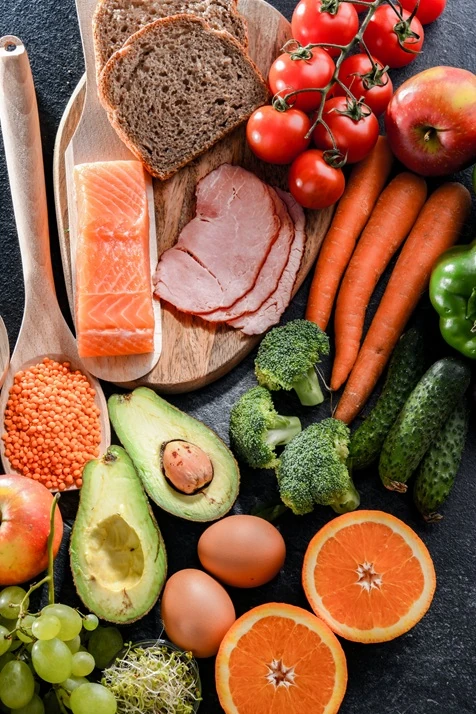
Everyday food choices shape energy, mood, immunity and the ability to maintain a healthy weight, and over time they also alter risk for chronic conditions like diabetes and heart disease. When you are planning for pregnancy, the right balance of micronutrients and overall dietary pattern supports conception, pregnancy progress and your baby’s growth. Tailored, evidence‑based advice is especially helpful if you’re using fertility treatments or have metabolic or weight‑related concerns.
Dietetics combines the latest scientific evidence with practical meal‑time strategies, so working with an experienced Accredited Practising Dietitian (APD) can make a meaningful difference. It’s never too late to optimise nutrition and lifestyle before pregnancy. Contact our Ausclin dietitians for personalised support to help you and your partner give your future child the best possible start.
How Ausclin Dietitians help
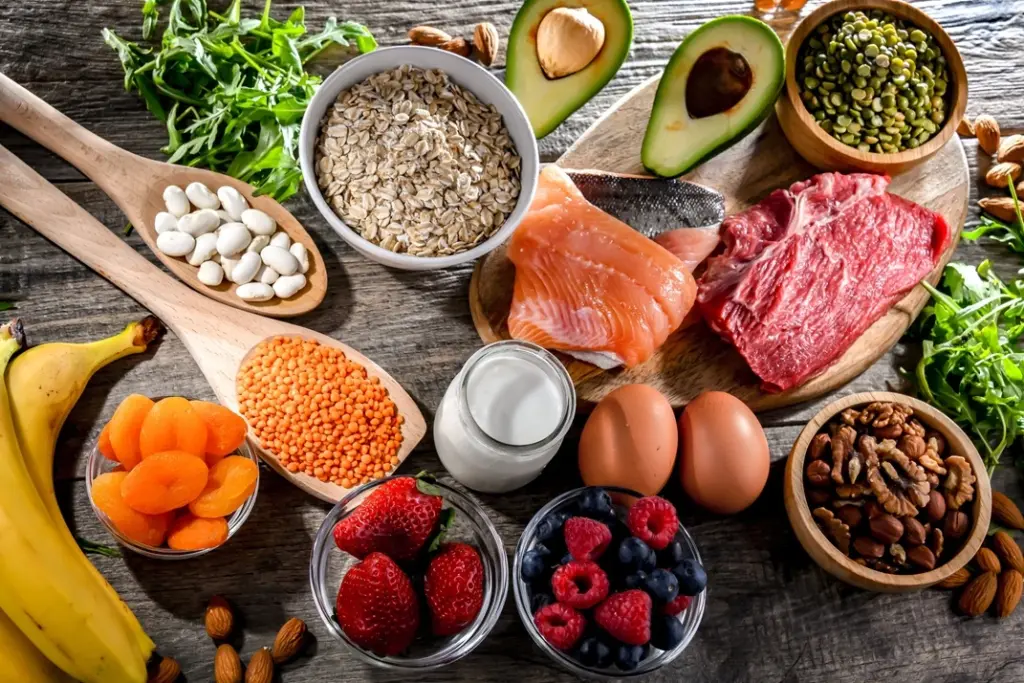
At Ausclin we offer practical, evidence‑based preconception nutrition plans to support egg and sperm quality, optimise key micronutrients (folate, iron, vitamin D, omega‑3) and stabilise blood glucose and metabolic health in the crucial 3–12 months before conception.
We tailor advice for individuals, couples and ART patients (IVF/ICSI), help manage treatment side effects and nutrition timing around procedures and provide clear guidance on lifestyle questions – caffeine, alcohol and supplement safety.
Delivered in‑clinic in Newcastle & Lake Macquarie or via telehealth so you can maximise fertility outcomes with confidence.
Get in touch
Unsure what’s normal or what next steps look like? Reach out for clear, evidence‑based guidance tailored to you.
We are Here to Help
Frequently Asked Questions
Below are common questions about nutrition for fertility and preconception – what the evidence says about egg and sperm health, which nutrients matter before conception, and what to expect from working with an Accredited Practising Dietitian. If you don’t see your question listed, contact us and we’ll help.
When is the best time to start preconception nutrition?
Ideally, 3 to 6 months before you start trying. This is because egg and sperm development takes about 90 days. However, it is never too late to start making changes that support a healthy pregnancy.
Does nutrition really affect sperm quality?
Absolutely. Sperm health is 50% of the equation. Specific antioxidants and nutrients like Zinc and Selenium play a vital role in sperm motility and morphology. We offer plans for partners too.
Which prenatal supplement should I take?
There is no “one-size-fits-all” supplement. We review your blood tests and diet to recommend a supplement plan that provides exactly what your body needs, nothing more, nothing less.
Can nutrition improve my chances of success with IVF?
Yes. We focus on anti-inflammatory patterns and blood sugar stability to support a healthy uterine environment and optimise egg quality during your ART cycle.
Do I need to stop drinking coffee while trying to conceive?
For most people, moderate caffeine is fine. We provide clear, evidence-based guidelines on caffeine and alcohol to help you feel confident in your choices without unnecessary restriction.
I have PCOS/Endo, can you still help with my fertility?
Yes. We have extensive experience managing the nutritional drivers of PCOS and Endometriosis to improve ovulation regularity and reduce inflammation, supporting your path to conception.
What are the “must-have” nutrients for preconception?
While Folate and Iodine are critical, we also look at Iron, Vitamin D, and Omega-3s. We help you reach these targets through a “food-first” approach supported by targeted supplementation.
How do you support couples through the stress of a long fertility journey?
We know this journey can be emotional. Our care is compassionate and weight-inclusive, focusing on sustainable changes that reduce stress rather than adding “perfectionism” to your plate.
Free tools & recipes for fertility & preconception
Built by our Accredited Practising Dietitians. Free, private, and evidence-based, use them between appointments or before you book.
Further reading from our dietitians

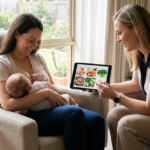
Planning a pregnancy, or already expecting? See our prenatal nutrition support →
Ready when you are
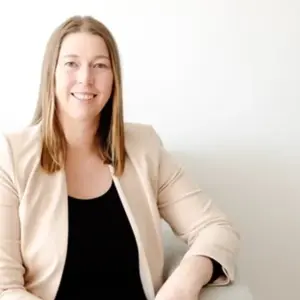
Book with Felicity or Tahnia
No referral needed to book. Medicare and private health rebates for eligible clients. See us in Mount Hutton or by telehealth, Australia-wide.


Tahnia Middleton
Accredited Practising Dietitian, Credentialed Eating Disorder Clinician
Book with TahniaNot sure who to see? Call 02 4091 9889 or send us a question.