
Neurodiversity-affirming care
Eating Disorders, ADHD and Autism
Feeding difficulties and eating disorders are over-represented among neurodivergent people. Generic nutrition advice often does not fit, and being told to try harder rarely helps. Support that starts from how your brain and body actually work.
If you need support now
- Butterfly National Helpline — 1800 33 4673 (1800 ED HOPE), 8am to midnight AEST/AEDT, 7 days, by phone, webchat or email. Butterfly is not a crisis service.
- Lifeline — 13 11 14, 24 hours, for crisis support.
- Kids Helpline — 1800 55 1800, 24 hours, for people up to 25.
- In an emergency, call 000.
Your GP is also a good place to start, and can coordinate the rest of the team.
Why the overlap exists
This is not a fashionable association. Feeding difficulties and eating disorders are over-represented in neurodivergent people, including autistic and ADHD people, and the reasons are reasonably well described.
Sensory processing
If texture, smell or temperature register more intensely, a food is not merely unappealing, it is intolerable. That is a common route into ARFID, and it explains why exposure-by-pressure so often backfires.
Interoception
Interoception is the sense of what is happening inside your body – hunger, fullness, thirst, needing the toilet. Many neurodivergent people experience these signals as muted, delayed or confusing. Advice built on “eat when you are hungry, stop when you are full” assumes a signal that may not arrive reliably, and following it can mean going most of the day without eating and then being overwhelmed.
Executive function
Meals are a sequence: notice hunger, decide, shop, prepare, eat, clean up. Each step is a place for the chain to break. What looks like not bothering to eat is often a task that stalled three steps back.
Routine and predictability
Sameness in food can be regulating rather than restrictive. A narrow range that is reliable may be doing real work, and treating it purely as a problem to be fixed misreads it.
ADHD and loss-of-control eating
A pattern we see often: little or nothing eaten through the day because food was not on the radar, then an evening where eating feels difficult to stop. It is easy to read that as a discipline problem. Usually it is a day-long deficit meeting an evening with less regulation left.
Interoceptive differences, executive-function demands around preparing meals, medication effects on appetite for some people, and the restrict-then-rebound cycle all contribute. The useful intervention is rarely more rules – it is building eating into the day in a way that does not depend on noticing hunger or on motivation being available.
What affirming support actually changes
The goal is not to make someone eat in a conventional way. It is adequate, sustainable eating that fits the person.
- We work with sensory preferences, not against them. A reliable narrow range that meets nutritional needs is a legitimate outcome.
- We plan for the days executive function is not available, rather than assuming the good days are the normal ones.
- We use external structure instead of internal cues where interoception is unreliable – timers, routines, anchoring meals to other events.
- We keep demands low. Long lists of rules tend to be abandoned wholesale, which then reads as failure.
- We communicate plainly and put things in writing, so nothing depends on remembering a conversation.
- We involve the people who help – family, partners, support workers – where you want that.
Autistic eating and ARFID
Not every autistic person with a narrow diet has ARFID, and not everyone with ARFID is autistic. The overlap is substantial, though, and it is where a lot of unhelpful advice gets applied.
What matters clinically is whether the eating pattern is causing a problem for nutrition, growth, health or participation in life. A reliable narrow range that meets someone’s needs and works for them is not automatically a disorder to be corrected. Where it is causing harm, the support is the same careful, gradual work described on our ARFID page, with sensory needs treated as real constraints rather than obstacles to push through.
Where this goes wrong is when someone is pushed to eat in a way that overrides genuine sensory distress, usually so that mealtimes look more typical. That tends to narrow the range further and damage trust in whoever is asking.
What we adjust in practice
- Session format. Camera off is fine. So is pacing, stimming, or taking breaks. Telehealth from your own space often works better than a clinic room.
- Written summaries. Everything important goes in writing afterwards, so nothing depends on processing it live.
- Plain, direct language. No hinting, and we will say when something is a suggestion rather than a recommendation.
- Fewer, clearer changes. One or two things at a time, chosen by you, rather than a list to comply with.
- Sensory detail taken seriously. Brand, texture, temperature and preparation are constraints, not fussiness.
- Low-demand options for hard days, planned in advance rather than improvised when capacity is gone.
For parents of neurodivergent children
If you have been told your child will grow out of it, or that they will eat when they are hungry enough, and neither has happened, that is worth taking seriously rather than persisting with.
Pressure-based approaches are particularly poorly suited to sensory-driven avoidance. Support that keeps safe foods safe, separates exposure from eating and works at the child’s pace is slower to start and considerably more durable. It also tends to make family mealtimes liveable again, which matters in its own right.
NDIS participants and support teams
We provide nutrition support for NDIS participants, and training for the teams around them. Support workers in supported independent living settings are often the people managing mealtimes day to day, and they are rarely given nutrition-specific guidance for the people they support.
See our NDIS nutrition funding explainer, our SIL team training, and the article on clinician-led nutrition training for SIL teams.
Who does what
Eating disorder care is shared work, and dietetics is one part of it. Being clear about the boundaries is not a disclaimer, it is how good care runs.
Your GP
Medical assessment and ongoing medical monitoring, the Eating Disorder Plan, referrals, and coordinating the team. Medical review is not optional and it does not sit with us.
Psychologist or mental health clinician
The psychological treatment. Models such as family-based treatment, CBT-E and SSCM are delivered by mental health professionals, not by dietitians.
Dietitian
Nutrition assessment, nutritional rehabilitation, support for adequate, varied and regular eating, and practical help for families around eating at home.
Others as needed
Paediatrician or psychiatrist, occupational therapy for sensory needs, speech pathology for feeding and swallowing, and dental where relevant.
Who you would be working with
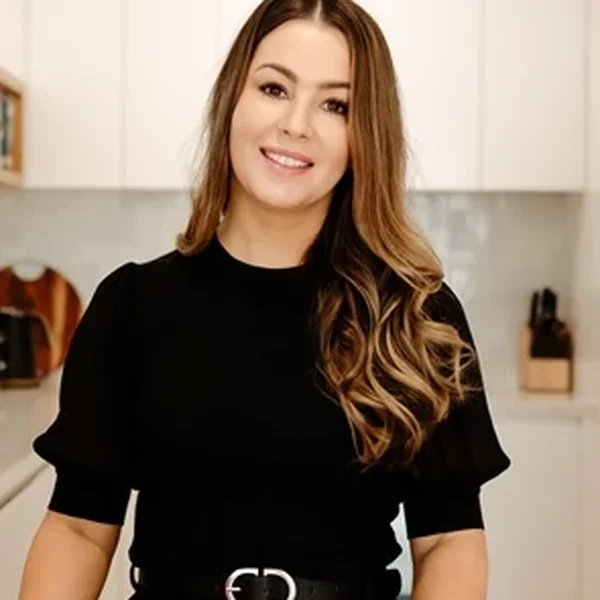
Your dietitian
Tahnia Middleton
Accredited Practising Dietitian · ANZAED Credentialed
Holds the ANZAED Eating Disorder Credential, which recognises dietitians who meet ANZAED’s standards for eating disorder practice, including specific training and ongoing supervision. Works particularly with children, adolescents and young people.
About Tahnia →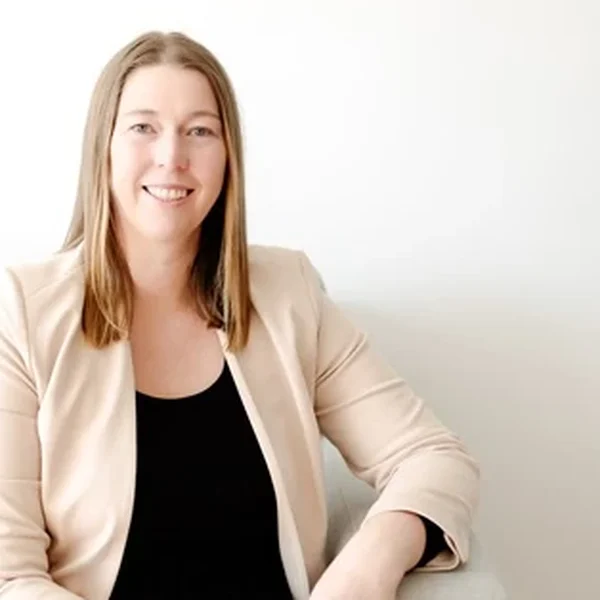
Your dietitian
Felicity Bull
Accredited Practising Dietitian · Founder
Founded Ausclin and works across women’s health, pregnancy and clinical nutrition. Sees clients in person at Mount Hutton and by telehealth.
About Felicity →Common questions
Why are eating disorders more common in neurodivergent people?
Feeding difficulties and eating disorders are over-represented in neurodivergent people. Sensory processing, interoception, routine and executive function all interact with eating, which is why generic advice often does not fit.
Is the goal to make me eat normally?
No. Neurodiversity-affirming support starts from how your brain and body actually work. Adequate and sustainable comes before conventional.
Can you work with NDIS participants?
Yes. We provide nutrition support for NDIS participants and training for support teams, including supported independent living settings.
Do I need a formal autism or ADHD diagnosis?
No. We work with people who are diagnosed, self-identified, or still figuring it out.
Where to read more
- National Eating Disorders Collaboration (NEDC) — nedc.com.au
- Butterfly Foundation — butterfly.org.au
- InsideOut Institute — insideoutinstitute.org.au
- Eating Disorders Neurodiversity Australia (EDNA) — edneuroaus.com — a neurodivergent-led Australian organisation, publisher of information sheets on eating disorders and neurodivergence, including sheets written for dietitians and for GPs
- NEDC — Eating Disorders and Neurodivergence: nedc.com.au/eating-disorders/types/neurodivergence
This page is general information, not personal advice, and it cannot diagnose anything. Please talk to your GP or a qualified clinician about your own situation.
Related pages
ARFID
How it differs from fussy eating, and how it shows up in adults as well as children.
Read more →Binge eating disorder
Support that does not start with another diet, and how restriction drives the cycle.
Read more →Eating disorder support
ANZAED credentialed, weight-inclusive, alongside your GP and mental health clinician.
Read more →NDIS nutrition funding
Which budget funds a dietitian, and the goal wording to take to your planning meeting.
Read more →SIL team training
Nutrition and mental health training for SIL and NDIS teams.
Read more →For GPs
How to refer, which plans we accept, and what your patient receives back.
Read more →