
Medicare
The Medicare Eating Disorder Plan
An Eating Disorder Plan gives access to rebated psychological and dietetic sessions for people who meet the criteria. Here is what it covers, who can write one, and what you will pay.
If you need support now
- Butterfly National Helpline — 1800 33 4673 (1800 ED HOPE), 8am to midnight AEST/AEDT, 7 days, by phone, webchat or email. Butterfly is not a crisis service.
- Lifeline — 13 11 14, 24 hours, for crisis support.
- Kids Helpline — 1800 55 1800, 24 hours, for people up to 25.
- In an emergency, call 000.
Your GP is also a good place to start, and can coordinate the rest of the team.
What the plan is
An Eating Disorder Plan, sometimes called an EDP, is a Medicare treatment and management plan for people with an eating disorder. It is prepared by a GP, another medical practitioner, a consultant psychiatrist or a consultant paediatrician, and it gives access to a larger number of rebated sessions than the general chronic disease pathway.
Under a plan, an eligible person can access up to 40 rebated psychological sessions and up to 20 rebated dietetic sessions within a 12-month period.
Those 20 dietetic sessions are shared across the eating disorder dietetic items and the chronic disease dietetic items. If you have already used dietitian visits under a GP Management Plan in the same period, they count toward the same total.
What it costs
For dietetic services under an Eating Disorder Plan:
- In person (MBS item 82350) — schedule fee $74.55, Medicare benefit $63.40.
- By video (MBS item 93074) — same schedule fee and benefit. Telehealth is not rebated at a lower rate.
Both items require the service to be recommended in your plan, provided to you individually, and to run for at least 20 minutes, and they must be provided by an Accredited Practising Dietitian.
The gap is the difference between our fee and the Medicare benefit. We will tell you what that is before you book, not after.
MBS fees and item numbers checked against MBS Online on 2026-09-25. Fees are indexed periodically, so confirm current figures with us or on MBS Online.
Who is eligible
Eligibility is set by Medicare, and your GP assesses it. In broad terms, a plan is available to people with a clinical diagnosis of anorexia nervosa, and to people with certain other eating disorder diagnoses where the condition meets defined severity and impact criteria.
Those criteria involve clinical judgement and a validated questionnaire, and they are assessed by the doctor preparing the plan rather than by you or by us. We have deliberately not reproduced the thresholds here, because out of context they invite people to measure themselves against a benchmark – which is not what they are for. Your GP, or the full item descriptors on MBS Online, are the right sources.
If you do not meet the criteria, that does not mean you cannot get help. Other referral pathways exist, and you can see a dietitian without any referral at all.
How to get one
- Book a longer appointment with your GP and say that you want to discuss an Eating Disorder Plan. These take time to prepare, and a standard consultation is usually not enough.
- Your GP assesses eligibility and prepares the plan, which names the practitioners you will see.
- Book with us and bring the plan, or ask your GP to send the referral through.
- Reviews happen along the way. Your GP reviews the plan at set points, and this is also when the team communicates about how things are going.
- The plan runs for 12 months. After that, a new plan is needed for rebates to continue.
What we send back to your GP
We provide a written report to your referring practitioner after the first and the last service, as required, and we will communicate sooner if something needs their attention. In practice that means you are not the one carrying messages between clinicians.
If you are a GP or referrer, our referral page covers what we need and what you can expect back.
Who you would be working with

Your dietitian
Tahnia Middleton
Accredited Practising Dietitian · ANZAED Credentialed
Holds the ANZAED Eating Disorder Credential, which recognises dietitians who meet ANZAED’s standards for eating disorder practice, including specific training and ongoing supervision. Works particularly with children, adolescents and young people.
About Tahnia →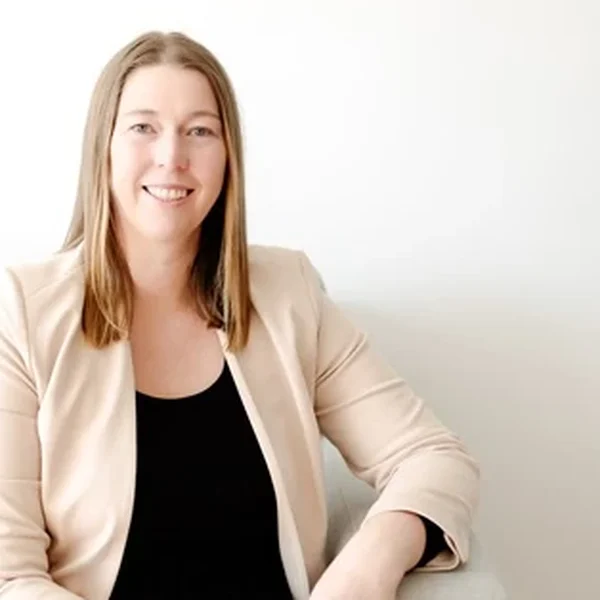
Your dietitian
Felicity Bull
Accredited Practising Dietitian · Founder
Founded Ausclin and works across women’s health, pregnancy and clinical nutrition. Sees clients in person at Mount Hutton and by telehealth.
About Felicity →Common questions
Who can write an Eating Disorder Plan?
A GP, another medical practitioner, a consultant psychiatrist or a consultant paediatrician.
How many dietitian sessions does it cover?
Up to 20 rebated dietetic sessions in a 12-month period. Those are shared across the eating disorder dietetic items and chronic disease dietetic items, so visits under a GP Management Plan count toward the same total.
Does it cover telehealth?
Yes. Video consultations attract the same rebate as in-person appointments.
How long does the plan last?
Twelve months. After that your GP needs to prepare a new plan for rebates to continue.
Do I need a plan to see a dietitian?
No. You can book without any referral. The plan only affects whether Medicare pays part of the fee.
Where to read more
- MBS Online, item 82350 — the full item descriptor and current fee
- MBS Online, item 93074 — video attendance dietetics item
- Services Australia — eating disorder treatment and management plans
- National Eating Disorders Collaboration (NEDC) — nedc.com.au
- Butterfly Foundation — butterfly.org.au
- InsideOut Institute — insideoutinstitute.org.au
This page is general information, not personal advice, and it cannot diagnose anything. Please talk to your GP or a qualified clinician about your own situation.
Related pages
Eating disorder support
ANZAED credentialed, weight-inclusive, alongside your GP and mental health clinician.
Read more →For GPs
How to refer, which plans we accept, and what your patient receives back.
Read more →Medicare eligibility
A free two-question check on whether a GP care plan could cover your visits.
Read more →ARFID
How it differs from fussy eating, and how it shows up in adults as well as children.
Read more →Binge eating disorder
Support that does not start with another diet, and how restriction drives the cycle.
Read more →Get in touch
Book online or ask a question. No referral needed to start.
Read more →