
GLP-1 medication support
GLP-1 Medication Support with a Dietitian
For people already prescribed a GLP-1 medication by their doctor. A 45-minute consult with Felicity to make sure you are eating enough of the right things while your appetite is small, and to plan around the side effects.
Why general advice tends to fall flat
Most people start a GLP-1 medication with a few lines of advice: eat smaller meals, drink water, get enough protein. None of that is wrong, but it stops short of the real questions. What do you do when you are genuinely not hungry by lunchtime? Which foods are sitting badly, and which ones are worth keeping? Are you eating enough to look after your muscle, your iron and your energy, or only enough to get by?
Those answers depend on your appetite pattern, your side effects, your health history and how you like to eat. That is why a plan built around you tends to be more useful than another general list.
Is this consult right for you?
It is probably a good fit if:
- You have been prescribed a GLP-1 medication and your appetite has dropped so far that you are not sure you are eating enough.
- Nausea, reflux or constipation are shaping what and when you eat.
- You want to look after your muscle and energy, not just the number on the scales.
- You are planning to stop, with your prescriber, and want a plan for when your appetite comes back.
Dietitians do not prescribe, and this consult is not about getting or changing a medication. Your doctor looks after that. We look after the food side, alongside them.
What happens in the consult
The consult runs for 45 minutes and costs $150. You can book it by telehealth from anywhere in Australia, or in person at our Mount Hutton clinic.
What we look at
- What a normal day of eating looks like now, and how that has changed since you started.
- When you feel hungry, when you do not, and which foods you are avoiding.
- Any side effects, and what seems to set them off.
- Your health history, other medicines and any recent blood tests you have.
- Your activity, and what you want from the next few months.
What you walk away with
- A way of eating that fits the appetite you actually have, with protein and nutrients prioritised.
- Practical changes for the side effects that are bothering you most, in the order to try them.
- A clear view of which nutrients to keep an eye on, and what to ask your GP about.
- Signs that mean something needs your doctor rather than a food change.
For rebates, check with your GP or health fund. No referral is needed to book.
Where the evidence sits
Australian Prescriber, Dietitians Australia and a 2025 joint advisory from four US professional bodies all recommend nutrition support alongside GLP-1 treatment, particularly for eating enough protein and nutrients, looking after muscle, and managing side effects. In fairness, randomised trials of dietitian support alongside these medicines have not yet been done. What we offer is careful, individual advice that works with your treatment.
What Australia’s dietitians are saying
Dietitians Australia recommends that people prescribed these medicines are referred to an Accredited Practising Dietitian. In September 2026 it joined Exercise & Sports Science Australia in asking the Pharmaceutical Benefits Advisory Committee for funded dietitian and exercise physiologist support alongside treatment. Their statement says GLP-1 medications “reduce appetite and food intake, which makes it harder to get enough protein, vitamins and minerals.” This is a proposal, and nothing about Medicare funding has changed yet. You can read what the joint statement asks for.
Our guides go deeper on three common questions: getting your nutrition ready before you start, protecting your muscle and which nutrients can run low.
When it needs your doctor, not a dietitian
Contact your doctor or seek urgent care if you cannot keep fluids down, if vomiting keeps going and you feel dizzy, confused or very tired, if you have severe stomach pain that does not go away (especially if it spreads to your back), or if you have signs of dehydration such as very dark urine, passing very little urine, or feeling faint.
Please do not change or stop your medication without talking to your prescriber. If a side effect is making it hard to eat, tell them: there are often options, and we can work alongside whatever they decide.
If eating has started to feel difficult
A quieter appetite can be a relief. For some people, though, it can also make it easier to slip into skipping meals or eating less and less, or it can bring back old worries about food. If eating has started to feel like something to get through rather than something that looks after you, it is worth saying so. Ausclin also provides eating disorder support, and we will talk it through with you gently and without judgement.
Who you will see
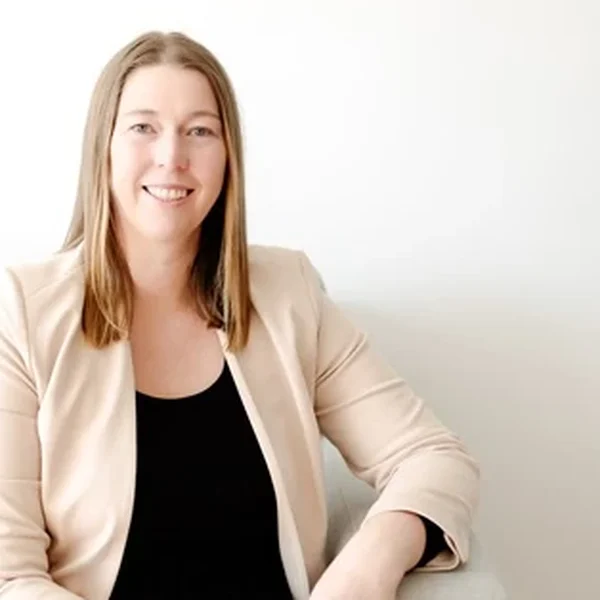
Your dietitian
Felicity Bull
Accredited Practising Dietitian · Founder
Felicity runs Ausclin’s GLP-1 medication support consults. She graduated from the University of Newcastle in 2010 and has worked clinically in the public health system ever since, across settings from critical care to eating disorders and adolescent mental health.
Her approach combines evidence-based medical nutrition therapy with client-led, trauma-informed principles, and she works closely with multidisciplinary teams, so your plan fits alongside the care your GP or prescriber provides.
Where we are
Ausclin’s dietitians are based at Mount Hutton, between Newcastle and the southern shores of Lake Macquarie, and see clients in person there. GLP-1 consults are also available by telehealth, so you can book from anywhere in Australia, including across the Hunter, Maitland, Port Stephens, Cessnock and the Central Coast.
Common questions
Can a dietitian prescribe a GLP-1 medication?
No. Dietitians do not prescribe medicines. Your doctor decides whether a GLP-1 medication is right for you and manages the dose. We work alongside them on the food and nutrition side.
Do I need a referral?
No referral is needed to book. If you are wondering whether any rebate applies, check with your GP or health fund.
Is this consult about losing more weight?
Not in itself. The focus is eating well enough to look after your muscle, energy and nutrients while your appetite is low, and managing side effects. We work in a weight-inclusive way.
What should I have ready?
A list of your medicines and supplements, any recent blood tests, and a rough idea of what you have been eating lately. None of it needs to be perfect.
Do dietitians recommend nutrition support alongside GLP-1 medication?
Yes. Dietitians Australia recommends referral to an Accredited Practising Dietitian for people prescribed these medicines, and Australian Prescriber and a 2025 joint advisory from four US professional bodies also recommend nutrition support. Randomised trials of dietitian care alongside these medicines have not been done yet, so the recommendation rests on the known nutrition risks and on professional consensus.
Can I have the consult by telehealth?
Yes. You can book by telehealth from anywhere in Australia, or in person at our Mount Hutton clinic.
Where this comes from
General information only, not personal advice. It does not replace advice from your doctor or prescriber.
- Yates N, South T-L. Injectable drugs for weight management. Australian Prescriber. 2025;48(6):197-202. doi.org/10.18773/austprescr.2025.052
- Dietitians Australia. Parliamentary Friends of Nutrition 2025: Nutrition first in GLP-1 care. 20 August 2025. dietitiansaustralia.org.au/advocacy-and-policy/parliamentary-friends-nutrition-2025-nutrition-first-glp-1-care
- Mozaffarian D, Agarwal M, Aggarwal M, et al. Nutritional priorities to support GLP-1 therapy for obesity: a joint advisory from the American College of Lifestyle Medicine, the American Society for Nutrition, the Obesity Medicine Association, and the Obesity Society. Obesity Pillars. 2025;15:100181. doi.org/10.1016/j.obpill.2025.100181
- healthdirect Australia. Weight loss medicine. Last reviewed March 2026. www.healthdirect.gov.au/weight-loss-medicine
- Balasubaramaniam V, Scobie, O’Kane, et al. Do patients receiving GLP-1 receptor agonists for weight loss require structured dietetic care? Lessons from metabolic and bariatric surgery pathways. Nutrients. 2026;18(16):2643. doi.org/10.3390/nu18162643
Related pages
What to eat on GLP-1 medication
Protein first, eating when you are barely hungry, and nutrients to watch.
Read more →Nausea and constipation
Why gut side effects happen and the food patterns that tend to help.
Read more →Stopping GLP-1 medication
Rebuilding trust in hunger, fullness and food after stopping.
Read more →GLP-1 medications and nutrition
The full guide: micronutrients, protein, muscle and food relationships.
Read more →Call for funded GLP-1 support
What the joint statement asks government for.
Read more →Eating disorder support
ANZAED credentialed, weight-inclusive, alongside your GP and mental health clinician.
Read more →