
Eating disorder support
Eating Disorder Dietitian, Newcastle & Lake Macquarie
Dietetic support for eating disorders and disordered eating, for adults, adolescents and children. Weight-inclusive, non-judgemental, and delivered alongside your GP and mental health clinician. In person at Mount Hutton, or by telehealth across Australia.
If you need support now
- Butterfly National Helpline — 1800 33 4673 (1800 ED HOPE), 8am to midnight AEST/AEDT, 7 days, by phone, webchat or email. Butterfly is not a crisis service.
- Lifeline — 13 11 14, 24 hours, for crisis support.
- Kids Helpline — 1800 55 1800, 24 hours, for people up to 25.
- In an emergency, call 000.
Your GP is also a good place to start, and can coordinate the rest of the team.
Where a dietitian fits
Food is where an eating disorder shows itself, but it is not where the whole problem lives. That is why dietetics works as part of a team rather than on its own, and why we are careful about what we claim to do.
What we bring is the nutrition side: understanding what is happening with your eating now, supporting a return to adequate, varied and regular eating, and helping you and the people around you manage the practical reality of meals. That work supports the psychological treatment. It does not replace it.
Who does what
Eating disorder care is shared work, and dietetics is one part of it. Being clear about the boundaries is not a disclaimer, it is how good care runs.
Your GP
Medical assessment and ongoing medical monitoring, the Eating Disorder Plan, referrals, and coordinating the team. Medical review is not optional and it does not sit with us.
Psychologist or mental health clinician
The psychological treatment. Models such as family-based treatment, CBT-E and SSCM are delivered by mental health professionals, not by dietitians.
Dietitian
Nutrition assessment, nutritional rehabilitation, support for adequate, varied and regular eating, and practical help for families around eating at home.
Others as needed
Paediatrician or psychiatrist, occupational therapy for sensory needs, speech pathology for feeding and swallowing, and dental where relevant.
Who we see
- Adults, adolescents and children. Tahnia’s work has a particular focus on children, adolescents and young people, and we see adults as well.
- People with a diagnosis, and people without one. Plenty of people arrive worried about their relationship with food before anyone has used a clinical label.
- People of every body size. Eating disorders occur across the size spectrum, and most people affected are not underweight. Assuming otherwise is one of the main reasons people go unrecognised for years.
- Families and carers who are trying to support someone at home and need practical help with the eating part.
- Neurodivergent people, including autistic and ADHD clients. See our page on eating disorders and neurodivergence.
We also see people with ARFID and binge eating disorder, which are covered on their own pages.
What support actually looks like
The first appointment is mostly listening. We want to understand what eating looks like for you day to day, what has changed, what you have already tried, and what you are worried about. Nothing is weighed, measured or scored in front of you as a matter of routine.
From there, support is built with you. It is usually gradual, and it is paced to what feels manageable rather than to a schedule. We coordinate with your GP and your mental health clinician so that everyone is working to the same plan, and we will always tell you when something needs medical review.
We do not provide meal plans as a default, we do not set weight goals, and we do not use before-and-after framing. If an approach would work against your recovery, we will say so and explain why.
Our clinicians
Tahnia Middleton is an Accredited Practising Dietitian and holds the ANZAED Eating Disorder Credential, which recognises dietitians who meet ANZAED’s standards for eating disorder practice, including specific training and ongoing supervision. ANZAED notes that the Credential is not a measure of competence, and we would rather say that plainly than imply more than it means.
Felicity Bull is an Accredited Practising Dietitian and the founder of Ausclin, working across women’s health, pregnancy and clinical nutrition.
Costs, rebates and getting started
You do not need a referral to make an appointment. If you have an Eating Disorder Plan from your GP, Medicare rebates apply to dietetic sessions, including video consultations. Our page on the Medicare Eating Disorder Plan explains what it covers and how to get one.
We see clients in person at Mount Hutton, between Newcastle and the southern shores of Lake Macquarie, and by telehealth anywhere in Australia. For people in the Hunter, on the Central Coast, or further out, telehealth removes the travel without changing the rebate.
Who you would be working with
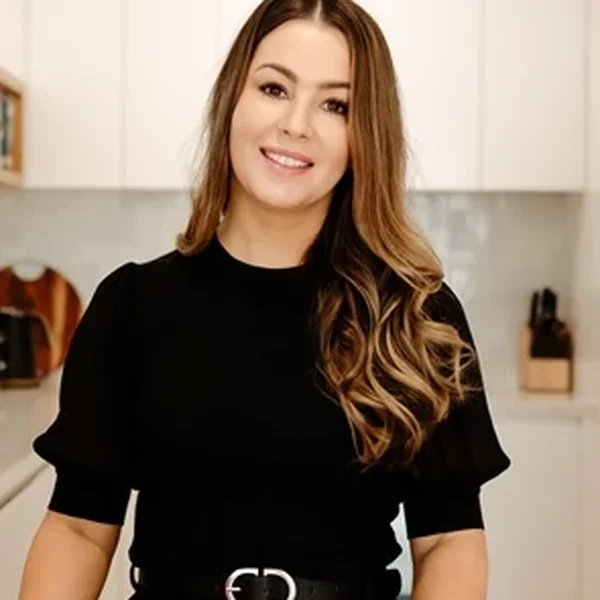
Your dietitian
Tahnia Middleton
Accredited Practising Dietitian · ANZAED Credentialed
Holds the ANZAED Eating Disorder Credential, which recognises dietitians who meet ANZAED’s standards for eating disorder practice, including specific training and ongoing supervision. Works particularly with children, adolescents and young people.
About Tahnia →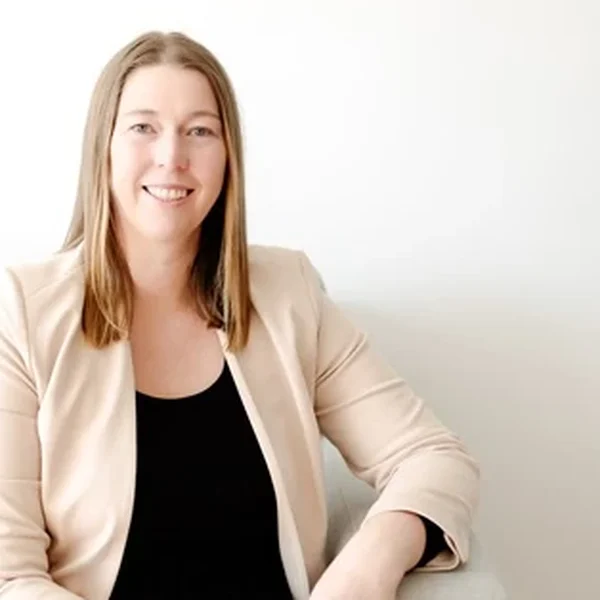
Your dietitian
Felicity Bull
Accredited Practising Dietitian · Founder
Founded Ausclin and works across women’s health, pregnancy and clinical nutrition. Sees clients in person at Mount Hutton and by telehealth.
About Felicity →Common questions
Do I need a diagnosis before I see a dietitian?
No. Many people come to us while things are still being worked out, or when they are worried about their relationship with food but have not spoken to anyone yet. If a formal diagnosis and a treatment plan would help, we will point you to your GP.
Do you work with people of any body size?
Yes. Eating disorders occur in people of every body size, and most people affected are not underweight. Our approach is weight-inclusive.
Will you put me on a meal plan?
Not as a starting point, and not as a standard answer. What support looks like depends on your situation, and it is built with you rather than handed to you.
Can you treat the eating disorder on your own?
No, and no dietitian should say otherwise. Eating disorder care is shared between a GP for medical monitoring, a mental health clinician for the psychological treatment, and a dietitian for the nutrition side.
Do you offer telehealth?
Yes, Australia-wide, and the Medicare rebate for eating disorder dietetic services applies to video consultations as well as in-person ones.
Where to read more
- National Eating Disorders Collaboration (NEDC) — nedc.com.au
- Butterfly Foundation — butterfly.org.au
- InsideOut Institute — insideoutinstitute.org.au
- Australia & New Zealand Academy for Eating Disorders (ANZAED) — anzaed.org.au, including the Eating Disorder Credential register
This page is general information, not personal advice, and it cannot diagnose anything. Please talk to your GP or a qualified clinician about your own situation.
Related pages
ARFID
How it differs from fussy eating, and how it shows up in adults as well as children.
Read more →Binge eating disorder
Support that does not start with another diet, and how restriction drives the cycle.
Read more →ADHD and autism
Why eating difficulties are more common, and what affirming support looks like.
Read more →Eating Disorder Plan
What it covers, who can write one, and how many rebated sessions it includes.
Read more →Children and young people
FBT-informed support for young people, alongside their families and carers.
Read more →For GPs
How to refer, which plans we accept, and what your patient receives back.
Read more →