
Binge eating disorder
Binge Eating Disorder: Support That Isn’t Another Diet
Binge eating disorder is the most common eating disorder in Australia, and it responds poorly to the thing most people try first. Weight-inclusive dietetic support, alongside your GP and mental health clinician.
If you need support now
- Butterfly National Helpline — 1800 33 4673 (1800 ED HOPE), 8am to midnight AEST/AEDT, 7 days, by phone, webchat or email. Butterfly is not a crisis service.
- Lifeline — 13 11 14, 24 hours, for crisis support.
- Kids Helpline — 1800 55 1800, 24 hours, for people up to 25.
- In an emergency, call 000.
Your GP is also a good place to start, and can coordinate the rest of the team.
What it is, and what it is not
Binge eating disorder involves recurrent episodes of eating that feel out of control, with real distress afterwards, and without the compensatory behaviours seen in bulimia nervosa. It is a recognised mental health condition, and it is the most common eating disorder in this country.
It is not a willpower problem. It is not greed. And it is not something that shows on the outside – people of every body size experience it, which is one reason it goes unrecognised for so long.
Why dieting usually makes it worse
Most people arrive having tried, repeatedly, to fix this by eating less. It is the intuitive move, and it is generally the thing that keeps the cycle running.
Restriction – eating less than you need, skipping meals, cutting out food groups, or holding rigid rules about what is allowed – creates biological and psychological pressure. The body responds to under-eating by increasing drive to eat. Rules create a category of forbidden food, and breaking a rule tends to trigger the all-or-nothing response that turns a slip into an episode. Then shame arrives, and shame usually prompts a promise to be stricter tomorrow, which reloads the whole thing.
This is why support starts with regular, adequate eating rather than with another set of rules. It feels counterintuitive. It is also the part that most reliably changes things.
What support involves
Early work is usually about regularity: eating consistently through the day so your body stops operating in deficit. From there it moves to reducing the rules rather than adding to them, and to rebuilding trust with foods that have become loaded.
Alongside that, we look at the practical conditions that make episodes more likely – long gaps without food, exhaustion, the end of a day where you have not eaten properly, environments and routines – and at what else is happening emotionally, in coordination with your mental health clinician.
We do not set weight goals, prescribe diets, or use before-and-after framing. Weight-focused approaches tend to feed the cycle we are trying to interrupt.
What to do after a difficult episode
People often ask this, and the honest answer is short: eat your next meal as normal.
The instinct is to compensate – skip the next meal, eat very little the next day, or exercise it off. Each of those reintroduces restriction, which raises the odds of the next episode. Getting back to regular eating as soon as possible is both the kindest and the most effective response.
It also helps to treat the episode as information rather than failure. What was happening beforehand? Had you eaten enough that day? Were you exhausted, or upset, or alone? Those patterns are workable. Self-criticism is not.
When it is more than overeating
Most people eat past comfortable sometimes, particularly at celebrations, and that is ordinary. What distinguishes binge eating disorder is the sense of being unable to stop once it starts, the distress that follows, and the way it repeats as a pattern rather than an occasion.
Other things people often describe: eating in secret or planning around being alone, feeling disconnected during an episode, a cycle of strict rules followed by their collapse, and a growing shame that makes it harder to tell anyone. Body size is not part of the picture, because people of every size experience this.
Only a qualified clinician can make a diagnosis, and this page cannot. If it sounds familiar, that is a reason to talk to your GP.
What the first few months usually involve
Early on the work is mostly regularity and adequacy, so your body is not spending the day in deficit. It is unglamorous, and it is the part that changes the most.
After that, attention moves to the rules. Most people arrive with a long internal list of foods that are allowed and not allowed, and that list is doing a lot of the damage. Reducing it happens gradually, usually starting with whatever feels least loaded.
Later the work is about durability: what happens on hard days, how to respond to an episode without compensating, and how to keep things steady when life is not. Throughout, your mental health clinician works on the psychological side and we coordinate, so you are not getting contradictory advice from two directions.
For partners and family
If you are supporting someone, the most useful single change is usually to stop commenting on food and bodies, including compliments about weight, which land differently than intended.
Beyond that: do not police what they eat, do not bring diet talk to the table, keep regular meals available without pressure, and understand that secrecy is a symptom rather than dishonesty. Asking what would help beats assuming.
Who does what
Eating disorder care is shared work, and dietetics is one part of it. Being clear about the boundaries is not a disclaimer, it is how good care runs.
Your GP
Medical assessment and ongoing medical monitoring, the Eating Disorder Plan, referrals, and coordinating the team. Medical review is not optional and it does not sit with us.
Psychologist or mental health clinician
The psychological treatment. Models such as family-based treatment, CBT-E and SSCM are delivered by mental health professionals, not by dietitians.
Dietitian
Nutrition assessment, nutritional rehabilitation, support for adequate, varied and regular eating, and practical help for families around eating at home.
Others as needed
Paediatrician or psychiatrist, occupational therapy for sensory needs, speech pathology for feeding and swallowing, and dental where relevant.
Getting started
You do not need a referral or a diagnosis to make an appointment. If you have an Eating Disorder Plan from your GP, Medicare rebates apply – see our page on the Eating Disorder Plan.
We see clients in person at Mount Hutton, covering Newcastle and Lake Macquarie, and by telehealth across Australia.
Who you would be working with

Your dietitian
Tahnia Middleton
Accredited Practising Dietitian · ANZAED Credentialed
Holds the ANZAED Eating Disorder Credential, which recognises dietitians who meet ANZAED’s standards for eating disorder practice, including specific training and ongoing supervision. Works particularly with children, adolescents and young people.
About Tahnia →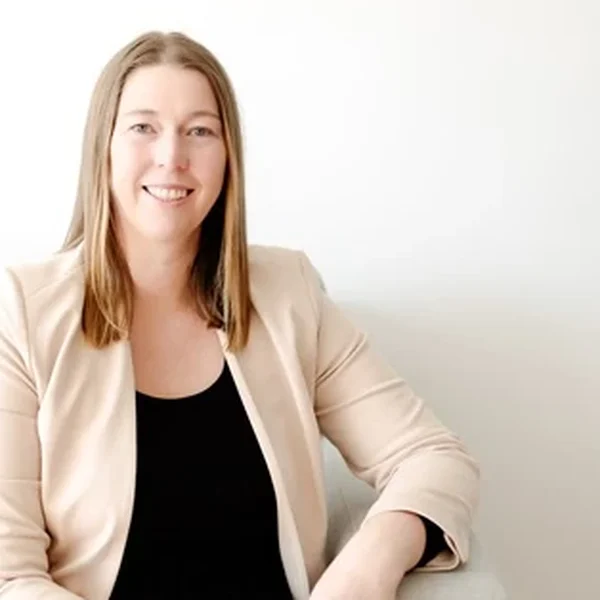
Your dietitian
Felicity Bull
Accredited Practising Dietitian · Founder
Founded Ausclin and works across women’s health, pregnancy and clinical nutrition. Sees clients in person at Mount Hutton and by telehealth.
About Felicity →Common questions
Is binge eating disorder just a lack of willpower?
No. It is a recognised mental health condition, and it is the most common eating disorder in Australia. Willpower is not the mechanism and shame is not the treatment.
Will you put me on a diet?
No. Dieting and restriction are among the most reliable triggers for binge eating, so starting there tends to make things worse. Support focuses on regular, adequate eating first.
Do I have to want to lose weight for this to help?
Not at all. Our approach is weight-inclusive, and the goal is a steadier relationship with food.
Can I get a Medicare rebate?
Possibly. An Eating Disorder Plan from your GP can give access to rebated dietetic sessions. We have a page explaining how that works.
Do I need to see a psychologist too?
Usually yes. The psychological side and the nutrition side work together, and we will help you understand who does what.
Where to read more
- National Eating Disorders Collaboration (NEDC) — nedc.com.au
- Butterfly Foundation — butterfly.org.au
- InsideOut Institute — insideoutinstitute.org.au
This page is general information, not personal advice, and it cannot diagnose anything. Please talk to your GP or a qualified clinician about your own situation.
Related pages
Eating disorder support
ANZAED credentialed, weight-inclusive, alongside your GP and mental health clinician.
Read more →ADHD and autism
Why eating difficulties are more common, and what affirming support looks like.
Read more →Eating Disorder Plan
What it covers, who can write one, and how many rebated sessions it includes.
Read more →For GPs
How to refer, which plans we accept, and what your patient receives back.
Read more →ARFID
How it differs from fussy eating, and how it shows up in adults as well as children.
Read more →Children and young people
FBT-informed support for young people, alongside their families and carers.
Read more →