
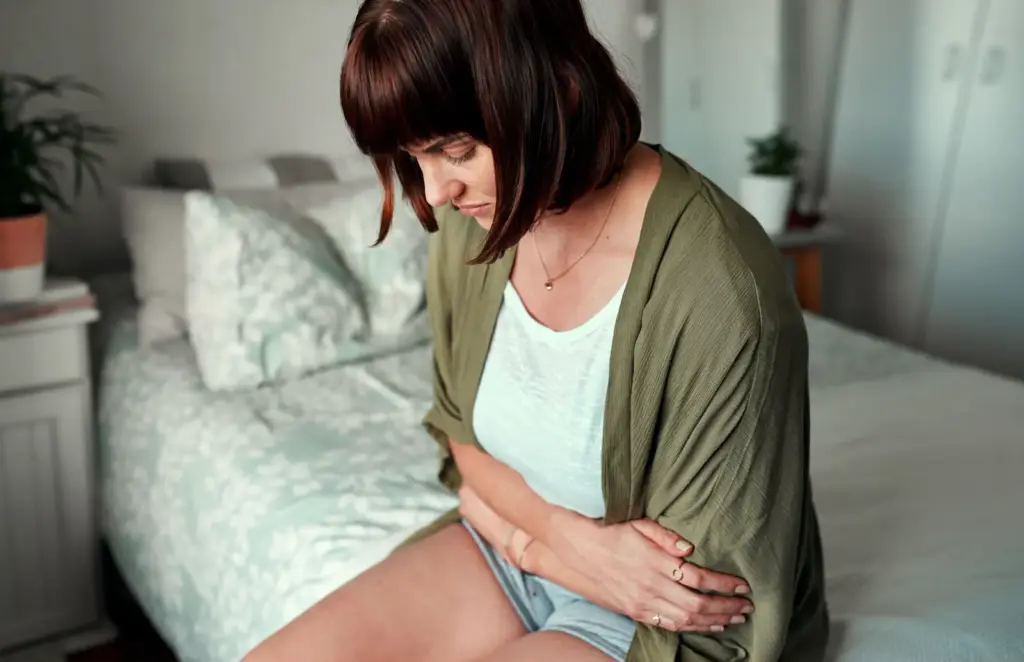
Endo belly is the name many people with endometriosis give to the severe bloating that can make your stomach swell and ache, often in the days before and during a period. It is real, it is common, and it is more than ordinary period bloating. This guide explains what endo belly is, why it happens, what may help, and when bloating needs a doctor. For eating patterns and endometriosis more generally, see our guide to anti-inflammatory dinners for endometriosis.
At a glance
- Endo belly is cyclical, often severe abdominal bloating linked with endometriosis.
- In an Australian study, 90% of women with endometriosis had gut symptoms and 83% had bloating.
- People with endometriosis are about three times more likely to have IBS, and the gut can be more sensitive to stretching.
- A Monash trial found a low FODMAP diet improved gut symptoms, including bloating, in 60% of women with endometriosis.
- Bloating that doesn’t settle, or comes with weight loss, bleeding or feeling full quickly, needs a doctor.
What is endo belly?
A 2023 review describes endo belly as cyclic bloating of the abdomen: in the second half of the menstrual cycle, in the days before a period, the abdomen becomes increasingly bloated, causing discomfort and pain. The authors note that while bloating is part of many women’s cycles, endo belly is far more extreme. Jean Hailes lists bowel symptoms including bloating, constipation, diarrhoea and painful bowel movements among the symptoms of endometriosis.
How common is it?
Very. In a study of women with endometriosis from Western Australia, 90% had gastrointestinal symptoms, and bloating was the most common at 83%, even though only 7.6% had endometriosis on the bowel itself. A 2022 meta-analysis found people with endometriosis had about three times the odds of irritable bowel syndrome, with around 23% meeting criteria for IBS.
Why it happens
The causes are still being worked out. Research points to several overlapping factors:
- A more sensitive gut. People with endometriosis have a lower pain threshold to stretching of the bowel wall, similar to people with IBS.
- Inflammation, which endometriosis and IBS share.
- Hormonal changes across the cycle, which explain why symptoms often build before a period.
- IBS overlap. IBS can make endo belly worse, but the review authors note it is not the cause.
- The gut microbiome and diet, which are active areas of research.
Importantly, endo belly can happen whether or not endometriosis has grown on the bowel.
What may help
Australia’s endometriosis guideline from RANZCOG, updated in 2026, suggests clinicians discuss a low FODMAP diet, fish oil and vitamin D with people with endometriosis to manage pain, while explaining the evidence of benefit is limited. The strongest dietary evidence for bloating is the 2025 Monash University trial: 60% of women with endometriosis responded to a low FODMAP diet compared with 26% on a control diet, with less abdominal pain and bloating and better quality of life. It was a 28-day trial in 35 women, so more research is needed.
A low FODMAP diet is a short-term, structured process of reducing certain carbohydrates and then reintroducing them to find your own triggers. It is not meant to be followed strictly long term, and doing it with a dietitian helps keep your diet varied and nourishing. Jean Hailes also notes physical activity may improve constipation, bloating and bowel pain.
See your doctor about bloating if: it doesn’t get better, or comes with ongoing or severe abdominal pain, blood in your stools, changes in your bowel habits, weight loss without trying, loss of appetite or feeling full quickly, vomiting or fever (healthdirect). Ovarian Cancer Australia lists persistent bloating or an increase in abdominal size as a symptom to have checked by your GP, so do not assume ongoing bloating is endometriosis without talking to your doctor.
Help with endo belly
What helps depends on whether your symptoms follow your cycle, which foods seem to trigger them, whether IBS is also part of the picture, and what you can sustainably eat. Felicity can guide a low FODMAP trial properly, help you reintroduce foods, and make sure your diet stays nourishing alongside your medical care.
Felicity Bull is an Accredited Practising Dietitian. She sees clients in person in Mount Hutton (Newcastle and Lake Macquarie) and by telehealth across Australia. About endometriosis nutrition support.
Book with Felicity →Common questions
What is endo belly?
Endo belly is cyclical, often severe abdominal bloating linked with endometriosis, usually building in the days before and during a period.
How long does endo belly last?
It varies. Research describes bloating building through the second half of the cycle, before a period. If bloating persists, see your doctor.
How do you get rid of endo belly?
There is no single fix. A low FODMAP diet improved gut symptoms in 60% of women with endometriosis in a Monash trial, and Australian guidelines suggest discussing it with your clinician. Physical activity may also help.
Is endo belly the same as IBS?
No, but they overlap. People with endometriosis are about three times more likely to have IBS, and IBS can make endo belly worse.
When should I worry about bloating?
See your doctor if bloating doesn’t settle, or comes with weight loss, bleeding, changes in bowel habits, severe pain or feeling full quickly.
Where this comes from
General information only, not personal advice. It does not replace advice from your doctor or dietitian.
- Velho RV, Werner F, Mechsner S. Endo belly: what is it and why does it happen? A narrative review. Journal of Clinical Medicine. 2023;12(22):7176. pmc.ncbi.nlm.nih.gov/articles/PMC10671958/
- Jean Hailes for Women’s Health. Endometriosis. www.jeanhailes.org.au/health-a-z/endometriosis
- Maroun P, Cooper MJ, Reid GD, Keirse MJ. Relevance of gastrointestinal symptoms in endometriosis. Australian and New Zealand Journal of Obstetrics and Gynaecology. 2009;49(4):411-414. pubmed.ncbi.nlm.nih.gov/19694698/
- Nabi MY, Nauhria S, Reel M, et al. Endometriosis and irritable bowel syndrome: a systematic review and meta-analyses. Frontiers in Medicine. 2022;9:914356. pmc.ncbi.nlm.nih.gov/articles/PMC9357916/
- Saidi K, Sharma S, Ohlsson B. A systematic review and meta-analysis of the associations between endometriosis and irritable bowel syndrome. European Journal of Obstetrics and Gynecology and Reproductive Biology. 2020;246:99-105. pubmed.ncbi.nlm.nih.gov/32004880/
- RANZCOG. Australian Living Evidence Guideline: Endometriosis (recommendation 55, updated March 2026). ranzcog.edu.au/wp-content/uploads/Endometriosis-Clinical-Practice-Guideline.pdf
- Varney JE, So D, Gibson PR, et al. Low FODMAP diet for gut symptoms in endometriosis: a randomised crossover trial. Alimentary Pharmacology and Therapeutics. 2025. europepmc.org/article/MED/40319391
- healthdirect Australia. Bloating. www.healthdirect.gov.au/bloating
- Ovarian Cancer Australia. Ovarian cancer symptoms and signs. www.ovariancancer.net.au/page/134/signs-and-symptoms