Your 3-Month Preconception Nutrition Timeline
Planning for a family is an exciting time. Most people know diet is key during pregnancy. But the food you eat before you get pregnant has a big effect too. This is why a 3-month nutrition plan is so helpful. This 90-day window is an important time for both partners. It’s a chance to build up nutrients and improve egg and sperm health. This helps set you up for a healthy pregnancy. Thinking about food now gives your future child the best start.
Why the 90-Day Preconception Window Is So Important
The three months before you get pregnant is a key time. It is based on science. For women, it takes about 90 days for an egg to fully mature. This is a sensitive time for the developing egg. It is affected by things like nutrients and cell damage in the body. Studies show that this is when the egg grows and develops. These steps decide the quality of the egg. A diet full of nutrients can help this process. Your food directly affects the cell that may become your baby.
This timeline is also important for men. It takes about 72 to 90 days to create new sperm. This process is called spermatogenesis. Food choices a man makes can affect his sperm count and quality. It can also affect how well sperm swim. Poor nutrition can harm these things. But a diet with antioxidants like zinc and selenium can help. Fertility is a team effort. It helps when both partners focus on healthy eating together. For personal help, you can work with a fertility dietitian to make a plan for you.
The Foundation: 3 Months Before Trying to Conceive
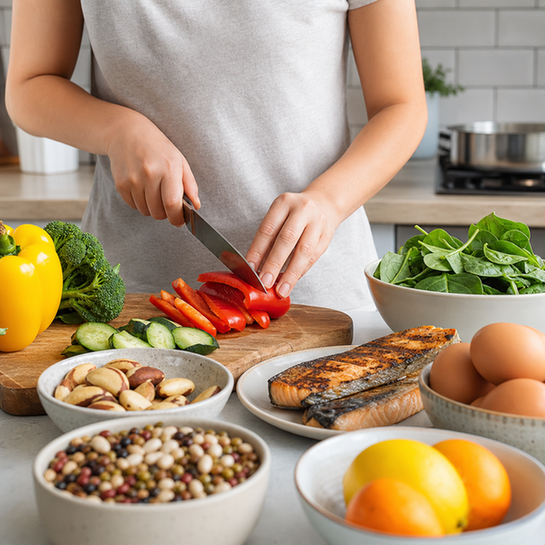
With three months to go, focus on building a strong base. This is a great time to see your GP for a health check. You can review your health history and talk about any medications. Your GP can also order some first blood tests. This month is also about improving your daily diet. Eat fewer processed foods, sugary drinks, and unhealthy fats. Instead, eat more whole foods. This includes colourful vegetables, fruits, lean proteins, and whole grains. Many experts suggest a Mediterranean-style diet. It can help with fertility and reduce swelling in the body. This is where nutrition and dietetic services can really help.
This is also the time to look at your lifestyle. It is safest to stop drinking alcohol when trying for a baby. There is no known safe amount to drink. If you or your partner smoke, now is the time to quit. Smoking harms both egg and sperm quality. For women, this is also the time to start taking key supplements. Sources like healthdirect recommend women start taking folic acid. You should start at least one month before trying to get pregnant. Starting three months before is even better. This helps prevent birth defects of the brain and spine.
Nutrient Optimisation: 2 Months to Go

In the second month, focus on getting the right amount of key nutrients. Certain nutrients are very helpful for fertility for both partners. Zinc is vital for releasing an egg and for making sperm. Good sources are lean meat, beans, and nuts. Selenium is an antioxidant that protects eggs and sperm from harm. You can find it in Brazil nuts, fish, and eggs. Vitamins C and E also help fight cell damage. You can find lots of these in fruits and vegetables. This advice matches guidance from groups like the Royal College of Obstetricians and Gynaecologists.
This is a great time to go over your blood test results. A health professional can give you guidance on healthy eating patterns. For women, building up iron is very important. Your body needs a lot more iron during pregnancy. Many Australian women start with low iron levels. To get more iron, eat lean red meat, poultry, fish, and lentils. Eating foods with vitamin C helps your body use iron from plants. For men, some foods are great for sperm health. Walnuts and fatty fish like salmon have omega-3s. These fats help keep sperm cells healthy.
Tailoring Your Approach: Specific & Australian Health Needs

General advice is helpful, but it may not be enough for you. A personal nutrition plan is often needed. This is true if you have existing health problems. For women with PMOS, managing blood sugar is key. This can help improve fertility. A dietitian may suggest eating low glycaemic index (GI) carbs. These include whole grains and beans, as suggested by guidance from Dietitians Australia. A personal plan can help with managing conditions like PCOS.
Getting to a healthy weight is also very helpful. Being underweight or overweight can upset your hormones. If you are overweight, losing just 5-10% of your body weight can help. This can improve your chances of getting pregnant. This idea is supported by World Health Organization infertility guidance. It is best to avoid crash diets. A slow and steady approach is better. Combine a healthy diet with regular exercise.
In Australia, some other nutrients also need a closer look. Not having enough vitamin D is common. A blood test is the only way to check your levels. Iodine is another key nutrient. It is vital for a baby’s brain to develop. Australian soil can be low in iodine. Because of this, the NHMRC recommends a daily supplement. It should have 150 micrograms of iodine for women. This advice matches the Australian Government’s pregnancy nutrition guidance. Working with local Accredited Practising Dietitians in Newcastle and Lake Macquarie can make this easier to manage.
Your Next Steps on the Preconception Journey
The three months before you get pregnant is a great time to prepare. Both partners can improve their fertility. You can do this by eating whole foods and looking at your lifestyle. Make sure you get enough key nutrients like folic acid, iodine, zinc, iron and omega 3 fatty acids. This timeline is a simple guide to build healthy habits. These habits support egg and sperm quality. This gives a strong start for your future family. If you have questions, getting professional advice is a good next step. It helps to talk to a team that understands Australian preconception and fertility nutrition.
Contact AusClin today to talk about a personal nutrition plan. We can support you on your path to becoming a parent. We can help you understand key nutrients like choline in pregnancy and breastfeeding. We can also help with managing endometriosis and pelvic pain.
All content on this blog is for general information only. It is not personal medical or diet advice. Do not use this information to make health decisions. Always talk to your GP, specialist, or an Accredited Practising Dietitian (APD) for personal advice. If you have urgent symptoms or an emergency, get medical help right away. We try to be accurate, but advice can change. Check with your health team for the latest, personal care.
Frequently Asked Questions
Why is the 3 month preconception period so important for fertility?
The three months before conception align with how long it takes for eggs to mature and sperm to develop (around 72–90 days). During this window, nutrients, inflammation, and lifestyle factors can affect egg quality, sperm count, and motility. Improving your diet and habits in this period can help support a healthier pregnancy and baby. It’s a key time to focus on targeted nutrition for both partners.
What should I eat in the 3 months before trying to get pregnant?
Aim for a whole-food, Mediterranean-style pattern: plenty of colourful vegetables, fruits, whole grains, legumes, nuts, seeds, and healthy fats like olive oil. Include lean proteins such as fish, poultry, eggs, tofu, and dairy or calcium-fortified alternatives. Try to cut back on processed foods, sugary drinks, and trans or deep-fried fats. A fertility dietitian at AusClin can help you tailor this to your preferences and health needs.
What is a good preconception nutrition timeline to follow?
About 3 months out, start with a GP check-up, blood tests, and a general diet clean-up toward whole, minimally processed foods. Over the next few weeks, layer in key supplements (like folate for women) as advised by your doctor or dietitian, reduce alcohol, and quit smoking. Closer to trying to conceive, fine-tune your macro- and micronutrient intake based on your results and health goals. AusClin can guide you through a step-by-step 90-day plan tailored to you and your partner.
Do men really need to change their diet before conception too?
Yes, male diet and lifestyle directly affect sperm count, shape, and how well sperm swim. It takes around 72–90 days for sperm to be produced, so improvements made in that time can influence the sperm that are present when you start trying. Antioxidant-rich foods and nutrients like zinc and selenium can support sperm health. AusClin’s fertility nutrition services work with both partners to optimise outcomes.
What supplements should I take before pregnancy and when should I start?
Most women are advised to start a prenatal supplement with folate (or folic acid) at least one month before conception, but many experts prefer starting three months ahead. Depending on your blood tests, you may also need iron, iodine, vitamin D, omega-3s, or B12. The exact type and dose should be based on your medical history and lab results, not guesswork. AusClin dietitians can review your results and recommend an evidence-based supplement plan.
How does a Mediterranean-style diet help with fertility and preconception health?
A Mediterranean-style diet is rich in antioxidants, fibre, and healthy fats, which can reduce inflammation and oxidative stress that may damage eggs and sperm. Studies link this pattern to improved fertility outcomes and better metabolic health. It emphasises vegetables, fruits, legumes, whole grains, fish, nuts, and extra virgin olive oil, while limiting processed foods and added sugars. AusClin can help you adapt this style of eating to your culture, budget, and lifestyle.
Should I stop drinking alcohol and smoking before trying to conceive?
There is no known safe level of alcohol during pregnancy, so the safest option is to stop drinking when trying for a baby. Smoking negatively affects egg quality, sperm DNA, and overall fertility, and can increase risks in pregnancy. Quitting both at least three months before conception gives the body time to recover and supports better reproductive health. Your GP and AusClin team can help you create a realistic plan to reduce and stop.
How can a fertility dietitian at AusClin help with preconception nutrition?
A fertility dietitian at AusClin can assess your medical history, blood tests, and current eating habits to design a 3‑month nutrition plan for both partners. They provide specific food and supplement recommendations, help manage conditions like PCOS or insulin resistance, and support lifestyle changes around alcohol, smoking, and weight. You’ll get a practical checklist and ongoing support rather than generic advice. This can improve your chances of conceiving and support a healthier pregnancy.
When should I see my GP or get blood tests before trying for a baby?
It’s ideal to see your GP about three months before you plan to conceive. They can review your health history, medications, and vaccinations, and order blood tests for things like iron, vitamin D, thyroid function, and other key nutrients. These results guide targeted diet and supplement changes instead of guessing. AusClin dietitians can then work alongside your GP to address any deficiencies through nutrition.
What if my diet is already healthy, do I still need a preconception plan?
Even if you eat well, preconception is a good time to check for hidden nutrient gaps or medical issues that can affect fertility, such as low iron or vitamin D. A structured plan helps ensure you’re meeting specific fertility-related needs like folate, iodine, omega-3s, and antioxidants for both partners. It also coordinates diet with lifestyle habits, medications, and supplements. AusClin can fine-tune an already healthy diet into a targeted fertility nutrition strategy.
Already pregnant rather than planning? See our prenatal support →